
Women's Clothing / Apparel
Why Your The Clothing Henley Shirt Never Fits The Way It Should

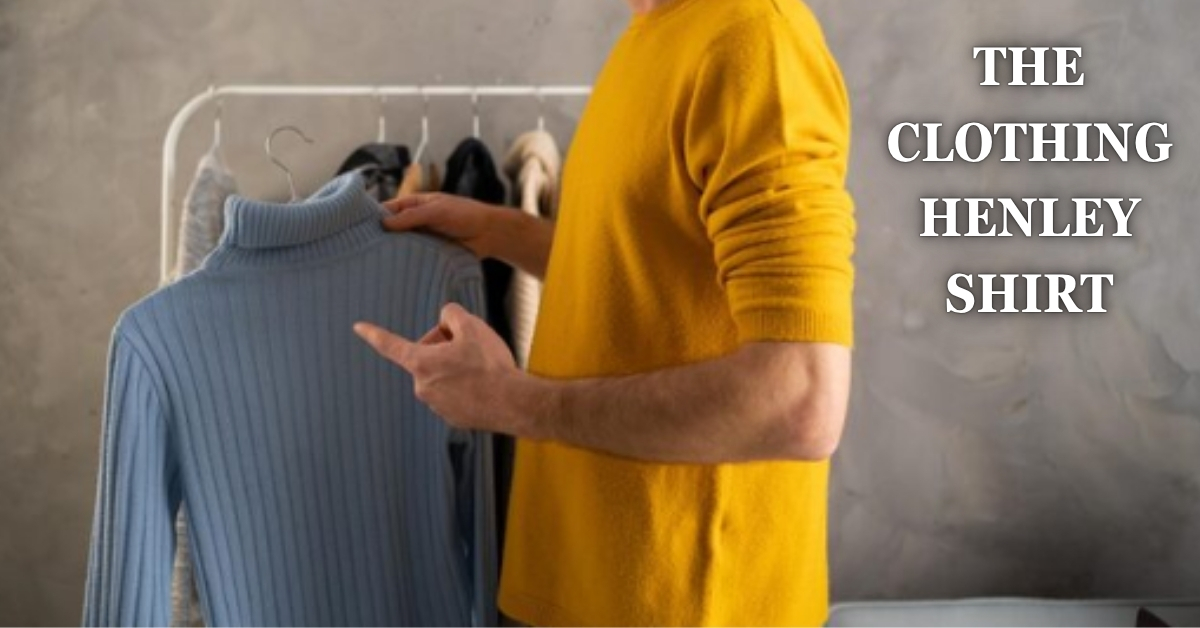
Most style advice treats every The Clothing Henley Shirt like it’s cut from the same cloth, literally, and that’s usually where the disappointment starts. A henley’s real personality comes from what it’s woven from, not the size printed on the tag, which is why two shirts in the same size can hang completely differently on the same body. This piece breaks down what actually separates a good henley from one that bags out after two washes, what the fabric weight tells you before you buy, what it should genuinely cost, and why more women are pulling this shirt out of the men’s section entirely.
The Short Answer
A Henley shirt is a collarless pullover with a two to five button placket at the neckline, sitting between a t-shirt and polo in formality. Fit depends more on fabric weight than on size alone. Cotton jersey drapes close and reads casual, while waffle knit adds bulk and warmth, and picking the wrong one is the real reason most Henley’s disappoint.
What Actually Makes a Henley a Henley
Strip away the marketing language and a Henley is a simple garment. A round or slightly scooped collarless neckline, a placket running three to five inches down the chest, and anywhere from two to five buttons that can be left open or closed depending on the weather and the occasion. There’s no collar to fold, no zipper to catch on fabric, just a clean vertical line down the chest that gives an otherwise plain shirt something to look at.
The name comes from Henley-on-Thames, the English town where rowers wore this style during regattas in the 19th century, and the shape has barely changed since. According to the history recorded on Wikipedia, the design was originally built for athletes who needed a shirt that moved with them and adjusted for ventilation mid-race, which explains why the placket exists at all. That functional origin is also why a henley never quite reads as formal no matter how nice the fabric gets. It’s built for movement first.
Fabric Weight Decides More Than Size Does
Here’s the detail most buying guides skip entirely. Henley’s generally fall into two fabric categories, and they behave nothing alike. Standard cotton jersey Henley’s run around 180 to 220 grams per square meter, which drapes close to the body, breathes well, and works as a lightweight layer under a jacket without adding bulk. Waffle knit and thermal Henley’s run considerably heavier, often 260 grams per square meter and up, because the raised weave traps air and adds real warmth, at the cost of a boxier silhouette.
Buying based on size chart alone ignores this completely. A medium in lightweight jersey and a medium in waffle knit can differ by a full visual size once you put them on, since the thicker fabric simply sits further off the body. If you run warm or plan to wear a Henley on its own through most of the year, jersey is the safer bet. If you’re buying for layering through fall and winter, the extra weight of a waffle knit earns its place.
Where the Price Actually Goes
Henley pricing splits fairly cleanly by construction quality and it’s worth knowing before you shop. Budget options in the 20 to 35 dollar range, the kind found at mass retailers, typically use thinner jersey with minimal reinforcement at the placket, which is usually the first part to fray. Mid-range henleys, running 45 to 75 dollars from brands built around casual basics, add double stitched plackets and heavier combed cotton that holds shape through repeated washing.
Premium Henley’s past 90 dollars mostly justify the jump through fabric sourcing, long staple cotton or cotton blended with a touch of modal, plus a more tailored cut through the body instead of a boxy straight drop. Paying more doesn’t automatically fix a bad size choice, but it does fix the placket that splits after ten washes on a cheaper shirt.
Styling One Without Overthinking It
A henley earns its place because it splits the difference between a t-shirt and a button down without trying too hard at either. Worn alone with jeans or chinos, it reads as put together with almost no effort, especially with the top button or two left open to break up the neckline. Layered under an unstructured blazer or a flannel overshirt, the same shirt shifts into something you could wear to dinner without changing anything else in the outfit.
Color pairing follows a simple logic once you know it. Neutral henleys in gray, white, or navy pair cleanly with dark denim for something closer to a uniform, while earthier tones like olive or rust work better against warmer chinos in tan or camel. If you’re building out a full wardrobe of casual basics around this piece, the women’s clothing and everyday style edits over on Just Uniques cover a lot of the same layering logic across other categories worth browsing.
The Henley Isn’t Just Menswear Anymore
Search the term today and nearly every guide assumes a male reader, which misses a real shift happening in casual wardrobes. Oversized Henleys, cut a size or two up and worn slightly boxy, have become a genuine crossover piece for women, styled with leggings, biker shorts, or tucked loosely into wide leg jeans. It’s the same shirt, but the sizing logic flips entirely once the goal is drape rather than a fitted silhouette.
Buying oversized on purpose changes what to look for. A jersey Henley in a size up drapes softer and avoids the boxy stiffness a true waffle knit adds at that looser fit, which matters if the look you’re going for is relaxed rather than bulky. Sleeve length matters here too, since an oversized Henley meant for a men’s medium often runs long enough on a smaller frame to need a single roll at the cuff rather than a full push up.
The Neck Size Myth That Ruins Most Henley Fits
A common assumption floating around is that a Henley should fit snug through the neck placket the same way a crew neck tee does, and that anything looser means the wrong size. That’s backward. The placket is meant to sit slightly open at the collarbone even when fully buttoned, since a Henley pulled tight at the neck restricts movement and looks strained rather than intentional.
The actual fit check that matters happens at the shoulder seam and the chest, not the collar. If the shoulder seams lands right at the edge of your shoulder bone and the chest has enough room to move without pulling at the buttons, the neck will naturally sit correctly on its own. Chasing a tight neck fit is usually what pushes people into a size too small everywhere else on the shirt.
Keeping One From Falling Apart
Waffle knit Henleys need different care than jersey ones, and treating them the same is how the texture disappears within a few washes. Cold water and a low or no heat dry cycle keep the waffle texture intact, since high heat flattens the raised weave permanently and can shrink the shirt by five to eight percent in one cycle. Jersey Henleys are more forgiving but still hold their shape longer with cold washing and hang drying rather than a hot dryer.
Buttons are the other weak point worth checking before a wash, since a loose thread on the placket only gets worse in a machine. A few extra seconds reinforcing a loose button with a needle and thread before it falls off entirely saves a shirt that would otherwise get retired over a five minute fix.
Conclusion
The single habit that actually improves how a Henley shirt fits and lasts is checking fabric weight before size, since that one detail predicts drape, warmth, and how the shirt behaves over a year of washing far better than a size chart alone. Match jersey to warm weather and waffle knit to layering season, check the shoulder seam rather than the collar for fit, and the rest tends to fall into place on its own.
FAQ
What is a Henley shirt exactly?
A henley shirt is a collarless pullover with a partial button placket, usually two to five buttons, sitting between a t-shirt and a polo in how dressed up it looks.
How should a Henley shirt fit?
It should sit close through the shoulder seam and chest with the neck placket slightly relaxed rather than tight, since a snug collar usually means the whole shirt is sized too small.
What should you wear with a Henley shirt?
Neutral henleys pair cleanly with dark denim for a casual daily look, while earthier tones work better against warm chinos, and a blazer or over shirt layered on top dresses the same shirt up for evening.
Can women wear Henley shirts too?
Yes, and the oversized version has become a real style category on its own, worn a size or two up with leggings or wide leg jeans for a relaxed, draped fit rather than the fitted men’s cut.
Why does a Henley have buttons that stop partway down?
The short placket comes from its origin as rowing wear, letting athletes adjust ventilation without a full button front, and it still works the same way today for regulating warmth on and off.
Search results for this brand still lean heavily on Walmart’s own product grids, and that tells you something the marketing copy never will. Most of what gets written about no boundaries clothing is either a sales page or a leftover joke about bargain bin basics from a decade ago. Neither reflects what actually changed in 2024, when Walmart handed the brand to a dedicated design team for the first time in its history. This breaks down what shifted, which categories hold up and which don’t, what the sizing really covers, and where the value now beats the reputation.
The Quick Take
No Boundaries is Walmart’s own private label, relaunched in 2024 with a dedicated Gen Z design team, wider XXS to 4X sizing, and most items priced under fifteen dollars. Basics like tees and leggings hold up well for the cost, while structured pieces show the budget construction faster.
What The Brand Actually Is Right Now
No Boundaries has been a Walmart-owned label for years, but the version on shelves today is not the same product that built its early reputation. Walmart rebuilt the brand in June 2024, positioning it as a $2 billion fashion line aimed squarely at Gen Z shoppers, according to the company’s own announcement. That relaunch mattered for one specific reason. It was the first time Walmart assigned dedicated fashion designers to this label instead of treating it as a generic house brand filled out by whichever supplier had capacity that season.
The result is a catalog that looks noticeably different from the No Boundaries of ten years ago. Tank tops, cargo pants, denim, boots, and bags now share a more coordinated look across categories, and the company has said roughly eighty percent of styles sit under fifteen dollars. That price point alone explains why comparisons to Shein and Fashion Nova keep showing up in casual conversation, even though this brand sells almost entirely through physical Walmart stores rather than a purely online model.
What You Actually Pay Across The Line
Pricing splits fairly predictably by category, and knowing the tiers ahead of time saves a lot of guessing once you’re standing in the aisle or scrolling the app.
- Basics like tees and tank tops: roughly $4.98 to $8.98, usually a thin cotton or cotton-poly blend built for high rotation rather than longevity.
- Bottoms including leggings, wide-leg pants, and denim: roughly $12.98 to $19.98, with noticeably heavier fabric than the tee line and better shape retention after washing.
- Dresses and going-out pieces: roughly $15.98 to $24.98, the category most likely to show thin seams or fabric pilling after a handful of wears.
- Bags, jewelry, and other accessories: roughly $9.88 to $26.97, where hardware quality varies more than fabric does.
That spread means two shoppers can walk out with wildly different experiences depending on what landed in the cart, which is exactly why blanket praise or blanket dismissal of the brand tends to miss the point.
The Reputation That Hasn’t Caught Up To The Redesign
The most common misconception around this label is treating it as the same product it was before the overhaul, just because the name on the tag never changed. Walmart chose to keep the No Boundaries name through the relaunch rather than introducing a new brand, and that decision quietly did the label a disservice. A rename usually comes with press coverage that resets public perception. A quiet internal redesign under an existing name does not, so plenty of shoppers are still picturing the flimsier, less consistent version from years ago.
The correction is straightforward once you know the timeline. Everything built after mid-2024 came out of an actual design process, with fabric and fit choices made intentionally rather than assembled from whatever stock was cheapest that quarter. Older inventory from before the relaunch may still be working through some stores, so a genuinely dated piece is not impossible to find, but it no longer represents the current line.
Where The Quality Actually Holds Up
Basics are the strongest category by a real margin. Cotton and cotton-blend tees hold their shape through repeated washing better than the brand’s reputation suggests, and at five to seven dollars a piece, the cost per wear works out favorably even if a shirt only lasts a single season of heavy use. Leggings and bottoms come in second, with wide-leg cargo pants and denim showing sturdier stitching and heavier fabric than the price tag implies.
Dresses and structured going-out pieces are where the budget construction shows up fastest. Thinner linings, simpler seam finishing, and lighter fabric weight mean these pieces are more likely to pill or lose shape after a few wears compared to the everyday line. That is not unusual for fast fashion pricing generally, but it is worth knowing before treating a fifteen dollar dress the same way you’d treat a wardrobe staple meant to last several seasons. Some intimate apparel lines within the brand also use eco-friendly padding in bras, a detail that rarely gets mentioned outside the product page itself.
Sizing And Fit Across The Catalog
One genuine strength of the relaunch is size range. Women’s sizing runs from XXS through 4X across most categories, and men’s sizing extends up to 5XLT in some styles, which is a wider spread than several mall brands offer at this price point. The brand also splits its assortment across women’s, women’s plus, young adult, and kids lines rather than treating everyone under one generic size chart.
Fit still varies by silhouette the way it does with most budget labels. Boxy cropped fits and oversized graphic tees run roomier by design, while fitted basics and bodysuits track closer to a standard size chart. Reading the specific product description rather than assuming consistency across the whole catalog remains the safest habit, since a wide leg pant and a fitted crew tee can behave differently even within the same size label.
Getting The Most Out Of A Haul
Buying with a plan beats browsing randomly, especially at this price point. Stocking up on basics like tees, tanks, and leggings makes the most financial sense, since those categories already show the best durability for the money. Saving the going-out pieces for occasions where you’re not expecting years of wear keeps expectations realistic without feeling like a wasted purchase.
Pairing a few of these basics with better-made accessories or denim from elsewhere is a common way to stretch a budget wardrobe further, since the tee and legging categories mix easily into almost any existing rotation. The same fabric-first approach that decides whether Fashion Nova dresses are worth the price applies here too, since checking fabric composition before checkout predicts satisfaction far better than the product photo does. For more everyday buying breakdowns like this one, the women’s clothing and apparel section on Just Uniques covers similar budget-to-quality comparisons across other brands.
Conclusion
The most useful thing to take from all this is that no boundaries clothing today is genuinely different from the version that built its old reputation, and the 2024 redesign is real rather than marketing spin. Basics and bottoms are where the value clearly holds up, while dresses and going-out pieces need more realistic expectations. Shop the categories the brand actually does well, and the price-to-quality math works out in your favor.
FAQ
Is No Boundaries a real Walmart brand?
Yes, it’s Walmart’s own private label, relaunched in June 2024 with a dedicated design team building it into a modern line aimed at young adult shoppers.
Is No Boundaries clothing good quality?
Quality varies by category, with basics like tees and leggings holding up well for the cost while dresses and structured pieces show thinner construction sooner.
Is No Boundaries considered fast fashion?
Yes, it fits the fast fashion model of low prices, frequent new styles, and shorter garment lifespans, similar to other budget-driven clothing lines.
What sizes does No Boundaries clothing come in?
Women’s sizing generally runs XXS through 4X, with separate young adult, women’s plus, and kids lines rather than one universal size chart.
Is No Boundaries the same brand it used to be?
No, the 2024 relaunch brought in dedicated designers, updated fabrics, and a more consistent look, even though the brand kept its original name.
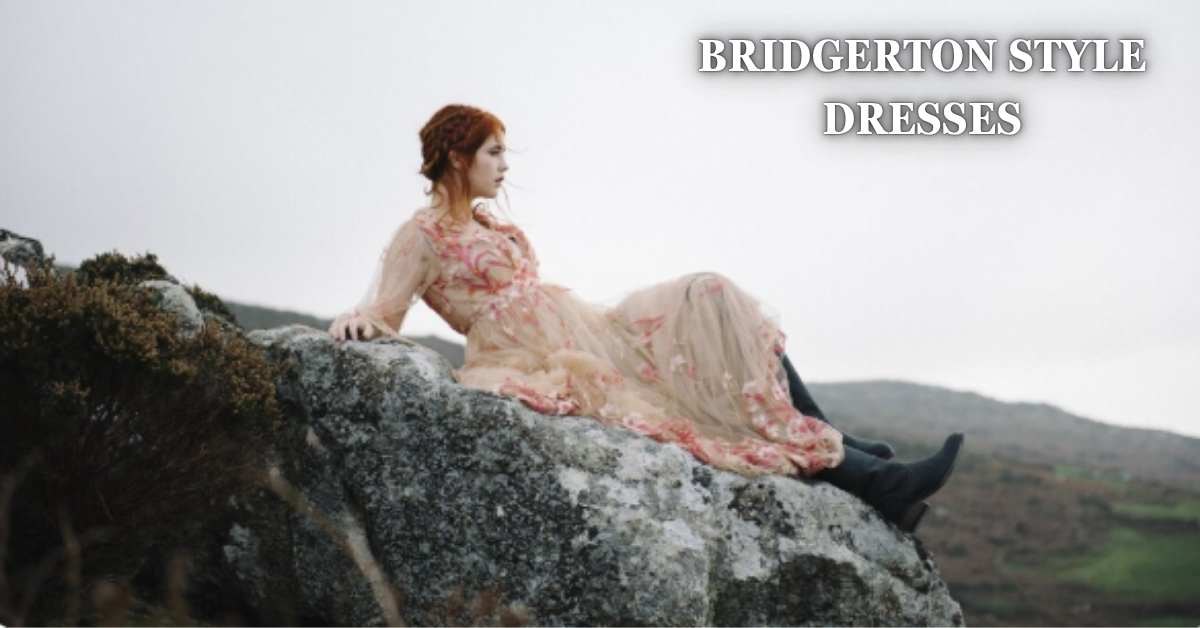
Regency-era costumes used to mean shiny polyester and a plastic bonnet from a dress up aisle. That is not what people mean anymore when they search for bridgerton style dresses. The 2026 version of the look, pushed along by the show’s newest season and a wider shift toward quieter romance, trades stiff shine and glossy princess skirts for empire waists, puff sleeves, and heavier fabric in colors you would actually keep in a normal closet. This guide breaks down which pieces read as genuinely wearable rather than costume ready, what they cost at different price points, and where you can actually wear one without looking like you wandered off a film set.
The Short Version (Quick Answer)
Bridgerton style dresses in 2026 lean on empire waists, puff or juliet sleeves, and structured, corset shaped bodices in muted jewel tones or soft neutrals rather than shiny pastels. The most wearable pieces keep one Regency detail and pair it with modern basics instead of dressing head to toe in costume signals.
What Bridgerton Style Actually Means Right Now
Search for the term and half the results are polyester Halloween dresses meant for a single night, and the other half are five hundred dollar custom gowns built for a themed ball. Neither one is what most people actually want. What they want is a dress that nods to the show without announcing it, something you could wear to a wedding or a dinner and have someone compliment the cut rather than ask who you are supposed to be.
That distinction matters more this year than it did when the trend first broke out. Regency dressing in 2020 and 2021 leaned bright, glossy, and obviously costume adjacent, all satin sheen and candy colors. The current wave, tied to Bridgerton’s later seasons, has moved toward longer, softer shapes in deeper, almost gothic romantic tones, a shift fashion press has been calling a quieter, more grown up take on the same silhouette.
The Silhouettes Actually Carrying the Look
Three shapes do almost all the work, and knowing them saves you from buying a dress that reads more prom than Regency.
- Empire waist: a seam sitting just under the bust with fabric falling loose from there, the single most recognizable Regency signal and the most forgiving cut for most bodies
- Puff or juliet sleeve: a rounded, gathered sleeve at the shoulder, sometimes short and sometimes full length, that adds period detail without touching the rest of the silhouette
- Corset style bodice: a fitted, boned or seamed top half worn over the dress rather than under it, giving structure without an actual corset’s restriction
A dress with one of these three elements reads as inspired by the era. A dress with all three, plus lace trim, a fichu collar, and elbow gloves, reads as a costume. Pick one anchor detail and let the rest of the outfit stay plain, and the whole look moves from theatrical to simply well dressed.
Colors and Fabric That Skip the Costume Signal
Fabric choice does more to separate a wearable dress from a costume rental than cut does. Cheap regency dresses lean on stiff taffeta or shiny polyester satin because it holds a dramatic shape without lining, and that same stiffness is exactly what reads as costume the second you walk into a room. Cotton, linen blends, and matte crepe hold the same empire silhouette with none of the shine, which is why the better pieces in this category almost always list one of those fabrics.
Color has shifted just as much as fabric. The pastel lilac and baby pink palette that defined the earliest regencycore wave has given way to deeper jewel tones such as emerald, burgundy, and a soft, muddied blue, along with warm neutrals like camel and cream. Those shades read as current fashion rather than a specific reference, which is exactly why they work better for everyday wear than the original candy palette ever did.
The Costume Trap Most Shoppers Walk Into
A common assumption is that more Regency detail automatically means a better version of the trend, so shoppers stack puff sleeves, a corset bodice, lace gloves, and a bonnet-adjacent headpiece into one outfit. That combination reads as cosplay the moment it leaves a themed party, which defeats the entire point of wearing the trend to normal life.
The confusion happens because most product photography for these dresses is shot to sell the costume, not the outfit, since a fully styled shoot photographs better than a single dress on its own. Pull the dress out of that context and pair it with shoes and jewelry you already own, and a single empire waist or puff sleeve reads as a modern silhouette choice rather than a reference to a specific show.
Matching the Dress to the Occasion
Where a Bridgerton style dress actually gets worn shapes which version of it makes sense to buy.
- Everyday and brunch: a cotton empire waist mini or midi in a solid neutral, worn with sandals or sneakers so the silhouette stays the only period reference
- Wedding guest and date night: a crepe or matte satin midi with a puff sleeve or square neckline, paired with gold jewelry rather than pearls to avoid a full costume read
- Formal event or ball: a structured corset bodice gown in silk or heavier satin, the one occasion where leaning further into the aesthetic actually fits the room
- An actual themed party or Halloween: the polyester Amazon version with the puffiest sleeves and the shiniest fabric earns its keep here, since the setting expects costume signals the other three occasions do not
What Different Price Tiers Actually Get You
Ten to thirty dollar dresses, mostly polyester with minimal lining, work fine for a single themed event but rarely survive more than a few wears before seams loosen or the fabric pills. Sixty to one hundred and twenty dollars buys cotton or linen blend empire waist dresses from mid-range retailers, the range where most genuinely rewearable pieces live, since the fabric holds its shape through repeated washing.
Past one hundred and fifty dollars, you are usually paying for a corset style bodice with real boning or structured seaming, silk or silk blend fabric, and finishing details like covered buttons or lined sleeves. The Women’s Clothing / Apparel collection here covers this same range of everyday dresses and fitted pieces if you want more options at that mid tier before committing to a single silhouette.
Styling It So It Reads as an Outfit, Not a Costume
Jewelry does the most damage here. Pearls, a cameo brooch, and lace gloves worn together push any dress firmly into costume territory, so pick one period nod at most and let everything else stay contemporary. A single delicate pearl earring with plain gold hoops elsewhere works, three pearl pieces stacked together does not.
Shoes matter more than most guides admit. Ballet flats and low block heels keep the silhouette grounded in the present, while anything resembling a Regency slipper tips the whole outfit back into costume. A structured, modern bag also does real work, since a drawstring reticule reads as an accessory choice from the show rather than your own closet.
Stylist’s coverage of the 2026 regencycore shift points to longer, softer shapes replacing the tighter, shinier silhouettes that defined the trend’s first wave, which lines up with why looser modern tailoring now reads better with an empire waist than a fitted, structured skirt does.
Conclusion
The version of this trend worth actually buying skips full costume signaling for a single Regency detail worn against modern basics. Pick one silhouette element, choose fabric with weight and no shine, and keep jewelry to one nod at most. Before you order anything, check the fabric listed on the product page, since that single detail predicts whether a dress will read as current fashion or a rental the moment you put it on.
FAQ
Is regencycore still a trend in 2026?
Yes, the aesthetic has shifted toward longer, softer, more muted shapes rather than the bright, shiny costume look that defined its first wave, and it remains active thanks to Bridgerton’s continuing seasons.
What is the Bridgerton dress style actually called?
The trend is commonly known as regencycore, a name built around the Regency era setting of the show rather than the series itself.
Can you wear a Bridgerton style dress to a wedding?
Yes, a crepe or satin midi with an empire waist or puff sleeve works well as wedding guest attire, especially paired with simple gold jewelry instead of a full period accessory set.
What shoes go with a Bridgerton style dress?
Ballet flats and low block heels keep the outfit grounded in the present, while anything resembling a historical slipper tends to push the whole look back toward costume.
Are cheap Bridgerton dresses on Amazon worth buying?
They work for a single themed event or Halloween since the price matches a one time use, but the stiff polyester and shine that keep the cost low are exactly what read as costume for everyday wear.
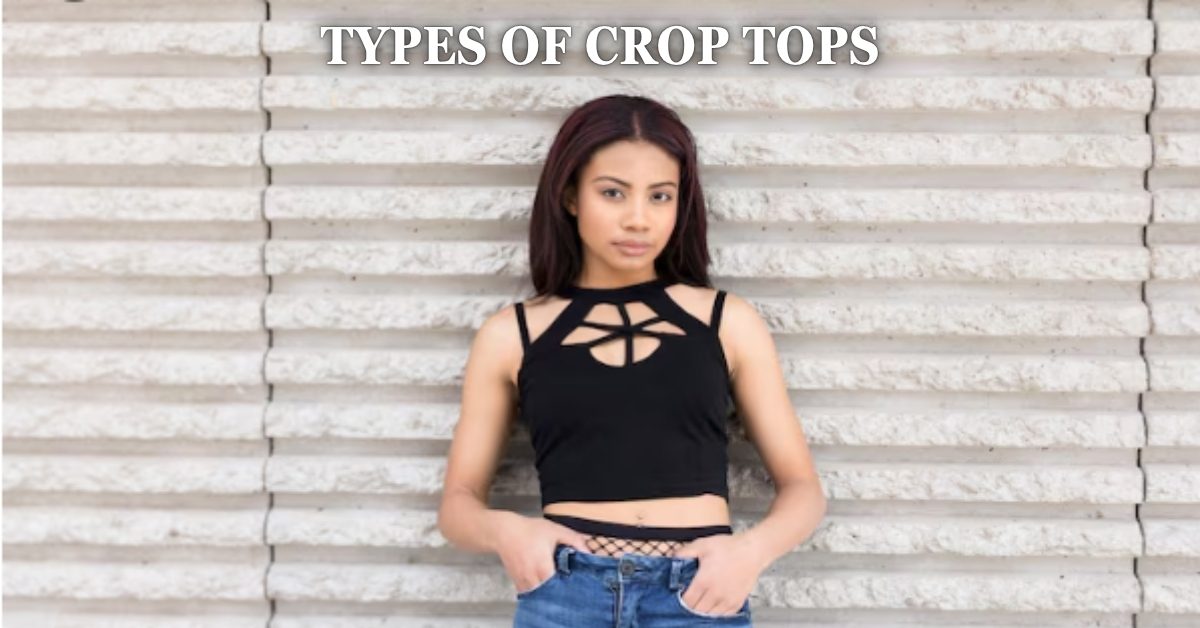
A cropped hemline can mean a dozen different garments, and treating them as one item is how most closets end up with three near-identical tanks and nothing for cold weather. Fit, fabric, and neckline change what a piece can actually do for an outfit, which is exactly why the types of crop tops matter more than the general category name. Some styles cover the arms and work for a chilly evening, others show almost nothing and need a specific occasion. This guide breaks the category down by what each style solves, not just what it looks like on a hanger.
The Short Version
The main types of crop tops split by fit, sleeve, and neckline: fitted ribbed tees, boxy cuts, halter and one-shoulder necklines, tube or bandeau tops, long-sleeve versions, and structured corset styles. Fabric weight and price predict how well a piece holds up after repeated wear.
Fit Comes Before Everything Else
Before neckline or sleeve length enters the picture, fit sets the tone for how a crop top reads on the body. A fitted, ribbed style clings close and shows the natural waistline, which makes it the most versatile option for layering under a jacket or wearing alone with high-waisted bottoms. A boxy or oversized crop, cut with a dropped shoulder and looser body, reads more casual and pairs naturally with fitted bottoms to balance the extra volume up top.
Somewhere between the two sits the semi-fitted crop tee, close enough to the body to look intentional but roomy enough to skip tailoring entirely. This is the style most people already own without knowing its name, since it’s the default cut behind most plain cotton crop tees sold at mall retailers and fast fashion sites alike. A heavier French terry version of the same cut, closer to 240 grams per square meter, holds a boxier shape and works better through fall than a light jersey ever could.
The Main Types of Crop Tops and When Each One Earns Its Spot
- Fitted ribbed crop top: Snug through the body with visible rib texture, works for everyday wear under a cardigan or alone with jeans. Holds its shape through washing better than smooth jersey does.
- Boxy cropped tee: Wide, drop-shoulder cut that sits away from the body. Best paired with fitted leggings, straight jeans, or a high-waisted skirt to avoid looking shapeless overall.
- Halter neck crop top: Ties or fastens behind the neck, leaving the shoulders and back bare. Suits warm-weather occasions and pairs well with wide-leg pants for a dressier balance.
- One-shoulder crop top: Covers a single shoulder and leaves the other bare, a strong pick for evening events or anyone wanting asymmetry without full exposure.
- Off-shoulder crop top: Neckline sits below both shoulders. Reads relaxed and feminine, and works particularly well with high-waisted denim for daytime plans.
- Long-sleeve crop top: Full arm coverage with a cropped body, the easiest way to wear the silhouette into cooler months. Ribbed knit versions layer cleanly under an open flannel or blazer.
- Tube or bandeau top: Strapless and usually the shortest style in the category, built for layering under an open shirt or wearing solo on the hottest days. Runs the least forgiving for movement, since there’s no strap holding it in place.
- Corset-style crop top: Boned or structured through the bodice, built more for a night out than daily rotation. Pairs with a blazer or leather jacket to soften the structured shape.
- Knit sweater crop top: Chunkier knit than a ribbed tee, usually priced between thirty and forty five dollars, meant for layering over a collared shirt through fall and early winter rather than replacing a sweater outright.
Midriff tops get lumped in with this list constantly, and the confusion is fair. A midriff top usually sits slightly lower and looser through the body than a true crop top, showing skin without the same fitted, cropped construction. It’s a reasonable middle option for anyone who likes the look but isn’t ready to commit to a tighter, shorter cut.
Fabric Weight and Price Tell You More Than the Product Photo
A ten to twenty dollar cotton jersey crop top is the entry point most people start with, and the fabric usually sits around 140 to 160 grams per square meter, light enough for warm weather but prone to pilling after a season of regular wear. Move into the thirty to fifty dollar range and rib-knit sets with more spandex content start showing up, holding recovery better through repeated stretching and washing.
Corset and satin styles tend to run fifty dollars and past that mark, since boning channels and lining add real construction cost that a plain tee never needs. None of these tiers is the wrong choice on its own. A cheap ribbed tee worn constantly for a summer earns its price just as well as a pricier corset top worn for two big nights out, as long as the expectation matches the fabric.
Seam quality is the other detail worth checking before checkout, since a crop top gets more stress at the under bust band and side seams than a full-length tee ever does. Flat lock or cover stitch seams sit smoother against skin and hold up through repeated wear, while a plain overlock seam on a cheap ribbed piece tends to fray after a handful of washes. A quick look at the product photo’s stitching, zoomed in past the styling shot, usually tells you which construction you’re getting before it arrives.
Where the “Only One Body Type” Idea Comes From
A persistent myth treats crop tops as a garment built for one narrow body type, usually a flat stomach and a slim waist. That idea comes largely from marketing photography, where the same handful of body shapes appear across product listings regardless of the actual style being sold. Fit construction, not stomach shape, is what determines whether a given crop top style works for a specific body.
Boxy oversized cuts skim rather than cling, making them among the more forgiving styles for anyone who wants coverage with less shaping. A high-waisted bottom paired with any crop length also changes how much skin actually shows, since the two garments meet at the waist rather than leaving a gap. The style choice matters more than the body wearing it, and treating the category as one-size-fits-one-shape ignores how differently these cuts behave once they’re off a studio model and on a real person.
According to Wikipedia’s history of the crop top, the style first gained real traction in the 1940s because wartime fabric rationing forced shorter cuts across women’s clothing, long before it became a shape tied to any single figure. It only became a broader fashion statement decades later, during the social shifts of the 1960s and 1970s.
Matching a Type to the Occasion
A ribbed fitted crop top or a boxy tee covers most casual daytime plans, from errands to a coffee catch-up, especially paired with high-waisted jeans or joggers. Office settings call for more coverage overall, so a long-sleeve crop layered under a blazer with a high-rise trouser reads professional rather than bare. Evening plans open the door to halter, one-shoulder, or corset styles, particularly with wide-leg pants or a fitted midi skirt to balance the shorter top.
Cooler months don’t rule crop tops out entirely. A long-sleeve ribbed version under an open cardigan or denim jacket keeps the silhouette while adding real warmth, and it’s one of the easier ways to stretch a summer piece into a fall wardrobe. For anyone building out a broader rotation, the women’s clothing and apparel picks on Just Uniques cover more of these seasonal pairing ideas beyond crop tops alone.
Conclusion
The types of crop tops split cleanly by fit, neckline, and fabric weight, and each variable changes what the piece can realistically do in a wardrobe. Start by deciding the occasion first, then match the cut and fabric to that need rather than picking based on trend alone. A ribbed fitted style and a long-sleeve version cover the widest range of daily use if only two pieces make the shortlist.
FAQ
How long should a crop top actually be?
Most crop tops run twelve to eighteen inches from shoulder to hem, with shorter styles ending just below the bust and longer versions sitting near the natural waist.
What’s the difference between a crop top and a midriff top?
A midriff top usually sits slightly lower and looser through the body, showing similar skin without the tighter, more fitted construction of a true crop top.
Can every body type wear a crop top?
Yes, since fit construction rather than stomach shape determines how a style behaves, and boxy or high-waisted pairings offer more coverage for anyone wanting less exposure.
What fabric holds up best for everyday crop tops?
Ribbed knits with added spandex content tend to hold their shape and recovery better through repeated washing than plain cotton jersey does.
Are crop tops still considered in style for 2026?
Yes, current retailer and runway coverage shows the category expanding into long-sleeve, corset, and knit sweater versions rather than fading out as a passing trend.
-
 Premium Handbags & Purses2 weeks ago
Bilge Bag Style: How a Boating Term Becomes a Bag Trend
-
 Premium Handbags & Purses2 weeks ago
Purse Accessories That Do More Than Just Decorate
-

 Beauty & Personal Care2 weeks ago
Kids Makeup Kit: Pretend or Washable, What to Pick
-

 Jewelry & Accessories2 weeks ago
The Right Order to Buy Mens Accessories
-
 Women's Clothing / Apparel2 weeks ago
How to Wear a Denim Jumpsuit Without Looking Boxy
-
 Women's Clothing / Apparel2 weeks ago
What Fashion Nova Dresses Really Deliver For The Price
-

 Shoes & Sandals2 weeks ago
The One Metallic Rule Nobody Tells You About Silver Shoes
-
 Women's Clothing / Apparel2 weeks ago
The Truth Behind Arriton Wholesale Sweatshirts Womens