
Jewelry & Accessories
Why Bogg Bag Accessories Are Worth It

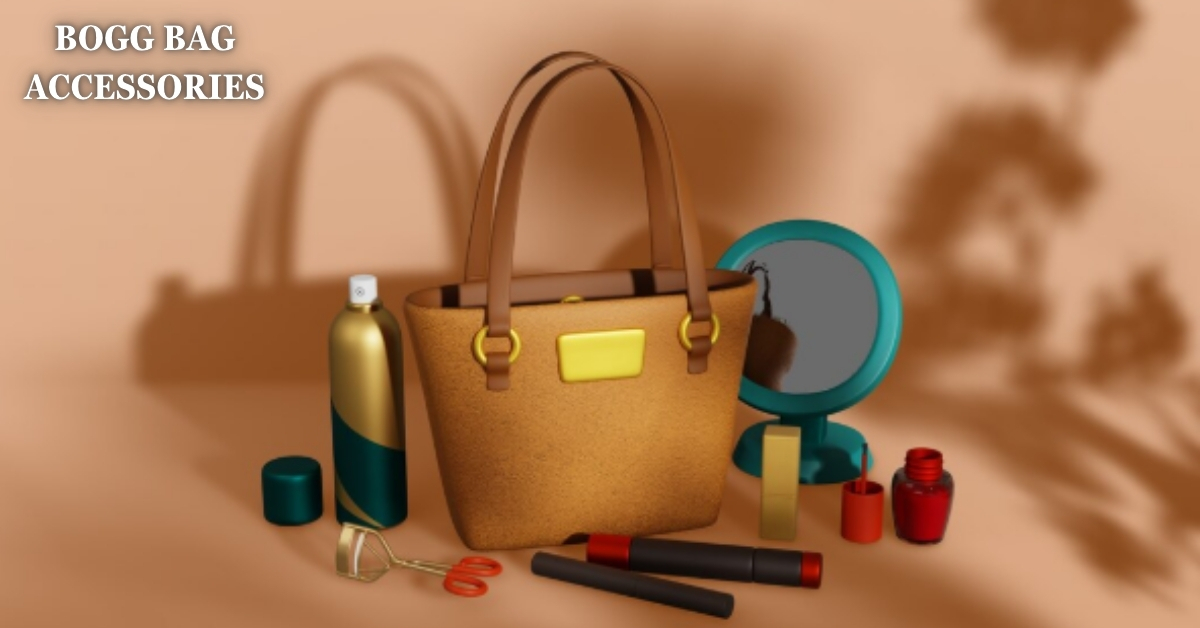
A Bogg Bag is already designed to be a practical carryall, but the right Bogg bag accessories can make it much more useful for everyday life. Instead of tossing your phone, sunscreen, water bottle, keys, snacks, and other essentials into one large space, accessories allow you to give different items their own place. That small change can make a surprisingly big difference when you’re heading to the beach, pool, gym, park, classroom, or simply running errands. BOGG BAG currently organizes its accessory range into categories such as organizer pouches, beverage holders, phone holders, dividers, food and drink trays, coolers, decorative inserts, and Bits, Charms & Chains.
The other advantage is personalization. A Bogg Bag doesn’t have to look exactly like everyone else’s because accessories let you change both its appearance and functionality. You can keep things simple with neutral accessories, create a coordinated monochrome look, or add colorful charms for something more playful. BOGG BAG itself recommends using complementary, analogous, or neutral colors depending on whether you want contrast or a more coordinated appearance.
Function Meets Personal Style
The best accessory isn’t necessarily the most eye-catching one. It is the item that solves a problem you actually have. If your bag constantly becomes a jumble of small belongings, an organizer or divider may be more valuable than a decorative charm. If you’re always carrying a drink, a beverage holder could be the accessory you notice most. If you want your tote to express your personality, Bits and decorative accessories can provide that finishing touch.
That makes shopping for Bogg accessories a little different from buying ordinary bag decorations. Think of your tote as a small mobile storage system. Some accessories create structure, some protect or hold specific items, and others simply make the bag feel more like yours.
Best Bogg Bag Accessories to Consider
BOGG BAG’s current accessory collection contains hundreds of options, with products designed for the Original, Baby, and Bitty Bogg Bags. The range includes both practical accessories and decorative pieces, so you can build a setup based on how you use your bag rather than buying everything at once.
Organizer Pouches
An organizer pouch is one of the easiest upgrades for anyone who dislikes digging through a large tote. Small essentials such as lip balm, earbuds, cards, sunscreen, charging cables, or personal items can disappear surprisingly quickly inside a spacious bag. A dedicated pouch keeps these smaller belongings together and easier to reach.
BOGG BAG’s Decorative Insert, for example, includes two zippered pouches that snap into the bag’s holes. The pouches are described as clear, leak-resistant, and easy to clean, with a larger pouch measuring 11.25 by 9 inches and a smaller one measuring 7 by 5 inches.
Beverage Holders
If your Bogg Bag frequently travels with you outdoors, a beverage holder is another practical choice. The current Bogg Bevy 2.0 is available in 20-ounce and 40-ounce sizes, and BOGG BAG says the newer Bevy fits all Bogg Bags.
This accessory is especially useful when you’re carrying a drink while keeping your hands free. Rather than allowing a bottle or tumbler to roll around inside the tote, the holder keeps it positioned along the bag’s edge. For beach days, sports events, road trips, or long afternoons outside, that simple bit of organization can make the whole bag feel more convenient.
Phone Holders
Your phone is one of those things you want close when you’re out, but you don’t necessarily want buried underneath everything else. A Bogg phone holder provides a dedicated spot where your phone can remain accessible.
The Call Me Bogg phone holder is one of the current accessories, and BOGG BAG includes it in its Original Upgrade Kit alongside a beverage holder, tray, divider, cooler, and organizer pouch.
Bogg Bag Dividers and Trays
Dividers for Better Organization
A large open tote gives you plenty of room, but open space isn’t always the same thing as good organization. A Bogg Bag divider helps separate the interior into more manageable sections, which is particularly useful when different people or activities share the same bag.
For example, you might use one area for towels, another for snacks, and another for personal belongings. You could also create separate spaces for children’s items and adult essentials. The Original Divvy Up 2.0 is currently listed as an accessory for the Original Bogg Bag, while Baby and Bitty versions are also available for their respective bag sizes.
Food and Drink Trays
For outdoor gatherings, a food and drink tray can turn the Bogg Bag into something closer to a portable picnic station. BOGG BAG currently offers the Top o’ the Bogg to Ya 2.0 Food & Drink Tray, as well as a half-size version for the Original bag.
This kind of accessory makes sense when your Bogg is carrying more than personal belongings. Imagine arriving at the beach with drinks and snacks already organized, or taking lunch to a sporting event without needing another container. It’s a practical example of how accessories can change the role of the bag instead of merely decorating it.
Decorative Bogg Bag Accessories
Bits, Charms, and Chains
Not every accessory needs to solve a storage problem. Sometimes you simply want your bag to look fun. Bogg Bits, charms, chains, and decorative pieces make that possible without replacing the entire bag.
BOGG BAG describes its Bits as snap-in bag charms that can be switched and mixed to change the look of the tote. Current designs cover themes such as animals, food and drinks, nature, sports, objects, symbols, and statement styles.
This is where you can be more creative. A simple bag can become seasonal with different charms, match your favorite color combination, or reflect a hobby or interest. Because the decorations can be changed, you don’t have to commit to one style permanently.
How to Choose the Right Accessories
The easiest approach is to start with your routine rather than the product catalog. Ask yourself what annoys you about your current bag. Is it difficult to find small items? Choose an organizer. Do drinks take up too much room? Try a beverage holder. Does everything slide into one pile? Add a divider. Do you simply want more personality? Start with Bits or decorative accessories.
You should also check bag compatibility before buying. BOGG BAG separates accessories according to Original, Baby, and Bitty models, while some newer accessories are designed to work across multiple sizes.
Match Accessories to Your Bag
Color is another easy way to create a polished setup. You don’t need every accessory to be an exact color match. In fact, contrasting colors can make a bag more interesting, while black, white, and mushroom-toned accessories can provide a neutral foundation. BOGG BAG specifically highlights black, white, and mushroom as versatile neutral accessory choices.
If you’re building a setup for everyday use, start with one organizational accessory and one item that solves your biggest practical problem. You can always add decorative pieces later. This keeps the bag useful without turning it into an overloaded collection of accessories.
Conclusion
The right Bogg bag accessories can transform a simple tote into a personalized organization system. From organizer pouches and dividers to beverage holders, phone holders, food trays, coolers, Bits, and charms, there are options for both practical needs and personal style.
The smartest choice is to think about how you actually use your Bogg Bag. Start with the accessory that solves your biggest everyday frustration, then build from there. Whether you’re packing for the beach, carrying supplies to a sporting event, organizing family essentials, or simply adding a little personality to your tote, a few well-chosen accessories can make the bag considerably more useful.
FAQ
What are the most useful Bogg Bag accessories?
Organizer pouches, beverage holders, dividers, and phone holders are among the most practical choices because they address common organization problems. Decorative Bits and charms are better suited to personalization.
Do Bogg Bags come with inserts?
Yes. BOGG BAG states that the Original Bogg Bag comes with a large and small insert, while Baby and Bitty Bogg Bags come with a small insert. Additional decorative inserts can be purchased separately.
Do Bogg accessories fit every Bogg Bag?
Not necessarily. Accessories can be designed for the Original, Baby, or Bitty models, although some newer products are compatible across multiple sizes. Always check the listed compatibility before purchasing.
Can I personalize my Bogg Bag?
Absolutely. Bits, charms, chains, decorative inserts, and different accessory colors allow you to create a look that suits your style. The accessories can also be changed when you want a different appearance.
What should I buy first for a new Bogg Bag?
Start with the accessory that solves your biggest problem. For organization, choose a pouch or divider. For drinks, choose a beverage holder. If your main goal is style, start with a few Bits or charms and build your collection gradually.
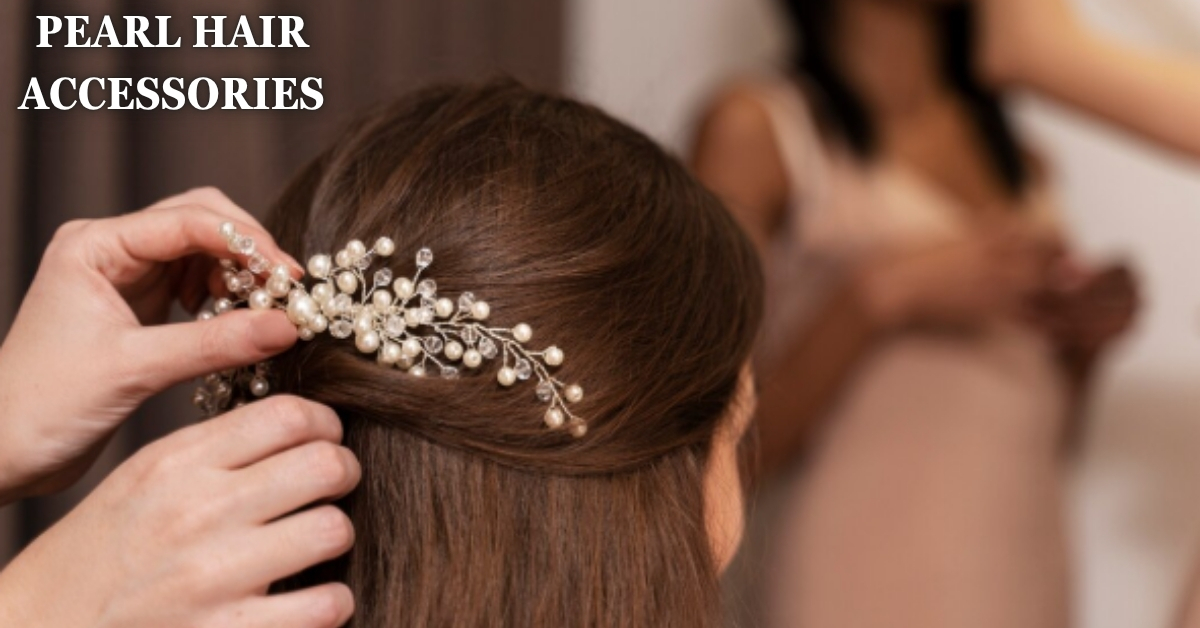
A small pearl clip can turn a plain ponytail into something considered, without changing the hairstyle underneath at all. That shift from filler to focal point explains why pearl hair accessories have moved well past bridal boutiques into everyday routines, work hair, and weekend errands alike. Real freshwater pearls, glass pearls, and Swarovski crystal pearls all get sold under the same general label, and the differences matter more than most shoppers realize once price and durability enter the picture. This piece breaks down what you’re actually buying, which pieces suit which occasions, and how to match a pearl accessory to the hairstyle you already wear, rather than one from a styled photo.
In Short
Pearl hair accessories range from cheap glass-bead clips to genuine freshwater pearl combs, and the material determines both price and how long a piece lasts. Bridal and evening styles favor combs, pins, and headbands, while everyday wear leans toward pearl-trimmed claw clips and barrettes that hold hair securely.
What “Pearl” Actually Means on a Hair Accessory Tag
Not every bead labeled pearl is the same product, and the word does a lot of quiet work on a packaging label. Genuine freshwater pearls are grown inside mussels and vary slightly in shape, which gives them an irregular, softly organic look under light. Glass pearls and Swarovski crystal pearls are coated beads built for uniform roundness and a brighter, more even shine, and they cost far less to produce. Plain plastic or resin beads sold as pearl are the cheapest tier, and they tend to look flat and slightly plasticky once you compare them side by side with the real thing.
None of these tiers is wrong for every situation. A $12 glass pearl claw clip is a reasonable everyday buy that survives being tossed in a bag, while a $60 to $150 freshwater pearl comb makes more sense as a piece you’ll wear a handful of times a year and actually want to last.
A Quick Way to Spot the Difference
A few checks work whether you’re shopping in person or scrolling a listing.
- Weight: real pearls feel slightly heavier and cooler against skin than glass or plastic of the same size.
- Surface: genuine pearls show tiny irregularities up close, while faux versions are almost too perfectly round.
- Price benchmark: a genuine freshwater pearl piece rarely sells for less than $30 to $40, so anything cheaper claiming to be real pearl deserves a second look.
- Listing language: terms like “freshwater pearl” or “cultured pearl” point to the real material, while “pearl finish,” “pearlescent,” or “faux pearl” signal a coated bead.
Where Pearl Pieces Actually Earn Their Place
Pearl accessories read differently depending on the setting, and picking the right tier for the occasion matters more than picking the trendiest design.
Weddings and Formal Events
This is where pearls do the most visual work. Pearl-topped hairpins scattered through a half-up style, a beaded comb tucked into a low bun, or a delicate pearl headband under a veil all photograph well and suit both vintage-leaning and modern gowns. Brides with heavily beaded or lace dresses generally look more balanced in a few simple pins, while a plainer gown can carry a fuller pearl comb or a small crown without competing with anything else in the outfit.
Everyday and Work Hair
Away from formal events, pearl details work best in small doses. A single pearl-trimmed claw clip on an otherwise plain updo, or a barrette with a thin row of pearls along the edge, adds polish without turning a work outfit into a costume. Oversized pearl statement pieces tend to read as evening wear, so keeping the daily rotation to smaller, subtler pearl accents avoids that mismatch.
Matching Pearl Accessories to the Hairstyle You Already Wear
Pins and small clips suit updos and half-up styles because they sit close to the head and don’t need much hair to anchor them. Combs need more volume to grip properly, which makes them a better fit for thicker hair or a style with some texture already built in. Headbands work across nearly any length, including loose waves, since they don’t rely on grip at all. For a broader look at how accessory choice generally follows hairstyle rather than the other way around, the site’s guide to clips, scrunchies, and headscarves covers the same logic across non-pearl pieces too.
Hair texture changes the equation slightly. Fine hair can be overwhelmed by a large pearl comb, so a slim pin or two usually holds better and looks more proportional. Thicker or curlier hair generally needs a comb with sturdier teeth or a clip with a wider grip, since delicate pearl-topped pins can slip out of denser hair within an hour.
The “Only for Brides” Assumption That Keeps Pearls in a Drawer
A lot of people assume pearl hair accessories belong exclusively to wedding season, then let a piece sit unused the rest of the year. That idea comes from how pearls get marketed, almost always inside bridal collections and rarely alongside everyday clips and barrettes on the same shelf. The pieces themselves don’t actually carry that restriction. A small pearl clip works the same way a stud earring does, as a quiet detail rather than a costume signal.
The confusion mostly comes down to scale, not material. A full pearl crown genuinely does read as bridal, but a single pearl bobby pin or a modest claw clip reads as understated jewelry that happens to live in your hair. Once you separate the size of the piece from the material, the everyday versus formal question mostly answers itself.
Keeping Pearl Hair Accessories From Looking Dull
Pearls, real or faux, lose their shine faster than most jewelry because they sit close to hairspray, perfume, and skin oils all day. Wiping a piece down with a soft, dry cloth after wearing it removes most residue before it has a chance to dull the surface. Storing pearl accessories in a separate pouch, away from direct sunlight and other jewelry that could scratch the coating, keeps them looking newer for longer.
Genuine freshwater pearls are also more porous than glass or crystal versions, so they’re more sensitive to moisture and chemicals over time. Spraying perfume or hairspray directly onto a real pearl piece, rather than letting products settle before putting it in, is one of the fastest ways to dull the surface. According to the Wikipedia entry on pearls, natural nacre is a layered organic material, which explains why it reacts more to chemicals and moisture than a coated glass bead does.
Anyone building out a fuller collection of pieces beyond pearl, from clips to combs to statement pins, can browse more options within the site’s Jewelry & Accessories category, which covers accessory styling in more depth than a single pearl-focused guide can.
Conclusion
Pearl hair accessories work at every price point and nearly every occasion once you separate the material from the marketing. Genuine freshwater pearls cost more and need gentler care, while glass and crystal versions offer the same look for daily wear without the fragility. Start with one small, well-made piece rather than a full bridal set, and let the size of the accessory, not the material alone, guide whether it fits a wedding or a Tuesday.
FAQ
Are pearl hair accessories real pearls or fake?
Both exist on the market under the same general name; genuine freshwater pearls come from mussels, while glass and Swarovski crystal pearls are coated beads made to look similar at a lower price.
How do you clean pearl hair accessories?
Wipe them with a soft, dry cloth after wearing and store them in a separate pouch away from sunlight, since moisture and direct contact with perfume or hairspray can dull the surface over time.
What hairstyle looks best with pearl hair pins or combs?
Pins and small clips suit updos and half-up styles, combs need more volume to grip properly, and headbands work across almost any hair length.
Are pearl hair accessories only for weddings?
No, a small pearl clip or single bobby pin reads as everyday jewelry, while larger pieces like full combs or crowns tend to read as formal or bridal.
Are pearl hair clips and pins in style right now?
Yes, pearl-trimmed clips, barrettes, and pins are currently popular across both everyday and formal hair styling, with the pieces increasingly treated like jewelry rather than a purely functional accessory.
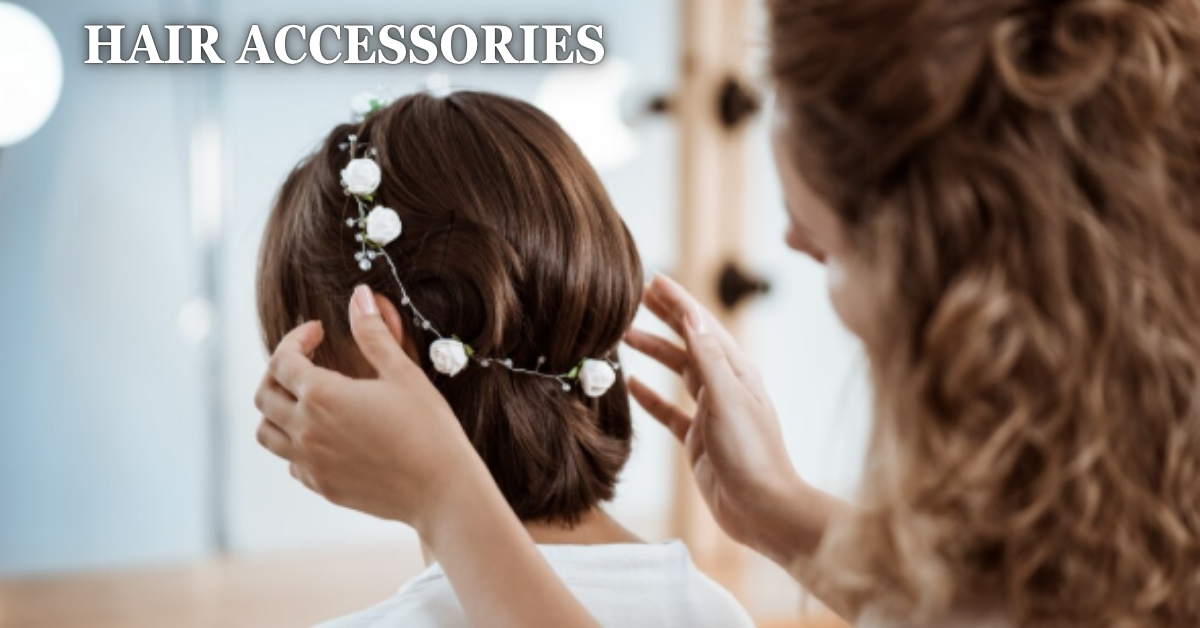
Hair accessories are one of the easiest ways to change your hairstyle without committing to a haircut, new color, or complicated styling routine. A simple claw clip can turn loose hair into a polished up do, while a satin scrunchie can make an ordinary ponytail look softer and more intentional. That combination of practicality and personal style explains why clips, pins, headbands, scarves, scrunchies, and barrettes remain popular across different ages and fashion preferences. The global market is also expanding, with one recent industry estimate putting the 2026 hair accessories market at about $27.2 billion, showing just how much consumers value these small but versatile styling products.
Fashion Meets Function
The best accessory does more than simply decorate your hair. It should help secure your hairstyle while fitting comfortably enough that you can wear it for hours. This is particularly important if you regularly put your hair into ponytails, buns, braids, or other styles that need reliable hold. Modern shoppers are also paying more attention to comfort, hair breakage, tension, and materials, which has encouraged interest in softer elastics, satin-lined products, and accessories designed for different hair textures.
Popular Types of Hair Accessories
There is no single “best” hair accessory because different designs solve different styling problems. Claw clips are excellent for quick buns and twists, barrettes can add structure to a simple hairstyle, and headbands are useful when you want to keep hair away from your face. Scrunchies are especially practical for ponytails and loose buns because they can provide a secure hold while creating a softer appearance than traditional thin elastics. Hair accessories also include bobby pins, decorative hairpins, combs, hair sticks, bows, scarves, and specialty pieces for bridal or formal styling.
Claw Clips and Barrettes
Claw clips have become everyday essentials because they combine speed with versatility. You can gather your hair into a French twist, create a loose bun, or simply pin back part of your hair in seconds. In 2026, resin claw clips, sculptural shapes, oversized barrettes, and decorative clips are among the styles receiving attention from fashion and beauty publications.
Scrunchies and Hair Ties
Scrunchies remain useful when you want a relaxed hairstyle without making the elastic the visual focus. Satin and silk versions are especially popular for people who prefer a smoother-feeling accessory, while oversized and textured designs can become part of the outfit itself. Neutral shades such as cream, brown, muted pink, and sage are also easy to coordinate with everyday clothing, while brighter prints work well when you want the accessory to become a statement.
Hair Accessories Trends in 2026
The biggest shift in 2026 is that hair accessories are being treated more like jewelry than an afterthought. Instead of simply choosing something functional, people are using clips, scarves, bows, and pins to communicate a particular mood or aesthetic. Current trends include headscarves, oversized barrettes, decorative pins, crochet pieces, tassels, tortoiseshell finishes, and statement clips.
Headscarves and Bandanas
Headscarves are having a particularly strong moment. Fashion coverage for summer 2026 highlighted headscarves as a leading accessory trend, with stylists suggesting ways to wear them over the hair, around ponytails, through braids, or around loose buns. Bandanas offer a similar sense of versatility and can create anything from a relaxed bohemian look to a polished retro-inspired style.
Statement Clips and Bows
If you enjoy accessories that immediately attract attention, oversized clips and bows are worth trying. A large bow can make a simple ponytail feel more romantic, while a sculptural barrette can give straight or wavy hair a more editorial finish. The trend is not necessarily about making everything dramatic; one carefully chosen statement piece can often do more than several small accessories competing for attention.
Playful Prints and Textures
Patterns and textures are another easy way to experiment. Polka dots, floral designs, crochet, marbled resin, shells, pearls, and other decorative details have appeared across recent hair accessory trends. The advantage is that you can introduce a seasonal trend without replacing your entire wardrobe. A patterned clip or textured headband can provide the same refreshing effect as a new accessory or piece of jewelry.
Choosing Hair Accessories for Your Hair Type
The right accessory should match your hair rather than forcing your hair to adapt to it. Someone with fine hair may need lightweight clips that do not slide, while someone with thick or highly textured hair may need larger claws with stronger teeth and a wider opening. Curly and coily hair can also benefit from accessories that provide secure hold without excessive tension or snagging. When shopping, think about the amount of hair the accessory needs to control, not just how attractive it looks in a product photo.
Fine and Thin Hair
For fine hair, oversized accessories can sometimes be too heavy or difficult to keep in place. Smaller claw clips, lightweight barrettes, narrow headbands, and compact decorative pins can provide enough control without overwhelming the hairstyle. A useful trick is to choose accessories with textured interiors or secure grips when possible, because smooth materials may slide more easily through fine strands.
Thick, Curly, and Coily Hair
Thicker hair generally requires accessories with stronger construction and enough room to accommodate the full volume of the hairstyle. Large claw clips, wide headbands, sturdy hair sticks, and substantial scrunchies are often more practical than tiny clips. For curls and coils, avoid accessories that pull tightly or repeatedly catch individual strands. A good accessory should feel secure without making your scalp feel as though your hairstyle is pulling in one direction all day.
Hair Accessories for Different Occasions
Your accessory choice can completely change the personality of a hairstyle. For everyday errands, a large claw clip or simple scrunchie may be all you need. At work, a sleek barrette or understated headband can create a tidy appearance without looking overly formal. For parties, weddings, dinners, and celebrations, decorative pins, pearl details, bows, jeweled clips, and elegant combs can transform an otherwise simple hairstyle into something memorable.
Everyday and Work Hairstyles
For daily wear, prioritize comfort and reliability. A neutral claw clip can work with jeans and a T-shirt just as easily as it can with a smart office outfit. A fabric headband is another practical choice when you want to keep hair away from your face while maintaining a relaxed appearance. The goal is not to create a complicated hairstyle every morning; it is to have a few dependable accessories that make styling easier when time is limited.
Weddings and Special Events
Formal occasions give you more freedom to experiment with decorative details. Pearl hairpins, crystal clips, embellished combs, delicate bows, and floral pieces can complement dresses and formal hairstyles without requiring an elaborate up do. When choosing a statement accessory, consider the overall outfit first. If your clothing already includes heavy embellishment, a simpler hairpiece may create better balance; if your outfit is minimalist, an eye-catching accessory can become the focal point.
How to Choose Quality Hair Accessories
Price alone does not determine whether a hair accessory is good. Look closely at the construction, hinges, edges, seams, elasticity, and material. A claw clip with rough edges can catch hair, while a poorly made elastic may stretch quickly or become uncomfortable. If an accessory will be worn frequently, spending a little more on durable construction can make more sense than repeatedly replacing inexpensive pieces.
Comfort, Hold, and Material
Before buying, ask three simple questions: Does it hold my hair securely? Is it comfortable? Will it treat my hair gently? These questions are more useful than choosing an accessory simply because it is trending. Consumers are increasingly interested in products that combine fashion with practical benefits, including accessories that can reduce tension and work across different hair textures.
Conclusion
The best hair accessories are the ones that make styling easier while adding something personal to your look. From practical claw clips and scrunchies to elegant hairpins, scarves, bows, and statement barrettes, there are options for almost every hair type, occasion, and personal aesthetic. The latest 2026 trends show that accessories are moving beyond basic functionality, with playful textures, nostalgic designs, headscarves, decorative clips, and expressive details becoming important parts of modern hairstyling. Rather than chasing every trend, choose a small collection of comfortable, well-made pieces that suit your hair and make you feel confident whenever you wear them.
FAQ
What are the most popular hair accessories in 2026?
Claw clips, headscarves, scrunchies, oversized barrettes, decorative pins, bows, and statement clips are among the prominent styles in 2026. Current trends favor accessories that combine practicality with personal expression.
Which hair accessories are best for everyday use?
Claw clips, soft scrunchies, simple headbands, and comfortable barrettes are excellent everyday choices. The best option depends on your hair thickness, hairstyle, and how much hold you need.
Are claw clips good for thick hair?
Yes, large claw clips with strong hinges and wide teeth can work particularly well for thick hair. Choose a size that can comfortably hold all your hair without forcing the clip beyond its capacity.
Are satin scrunchies better for hair?
Satin scrunchies can be a useful option when you want a smoother-feeling hair tie with less friction than some conventional elastics. However, the overall design, fit, and way you wear the accessory also matter.
How can I choose the right hair accessory?
Start with your hair type and the hairstyle you normally wear. Then consider comfort, grip, material, durability, and occasion before choosing a design. A versatile accessory that you actually enjoy wearing is usually more valuable than one that is simply fashionable for a season.
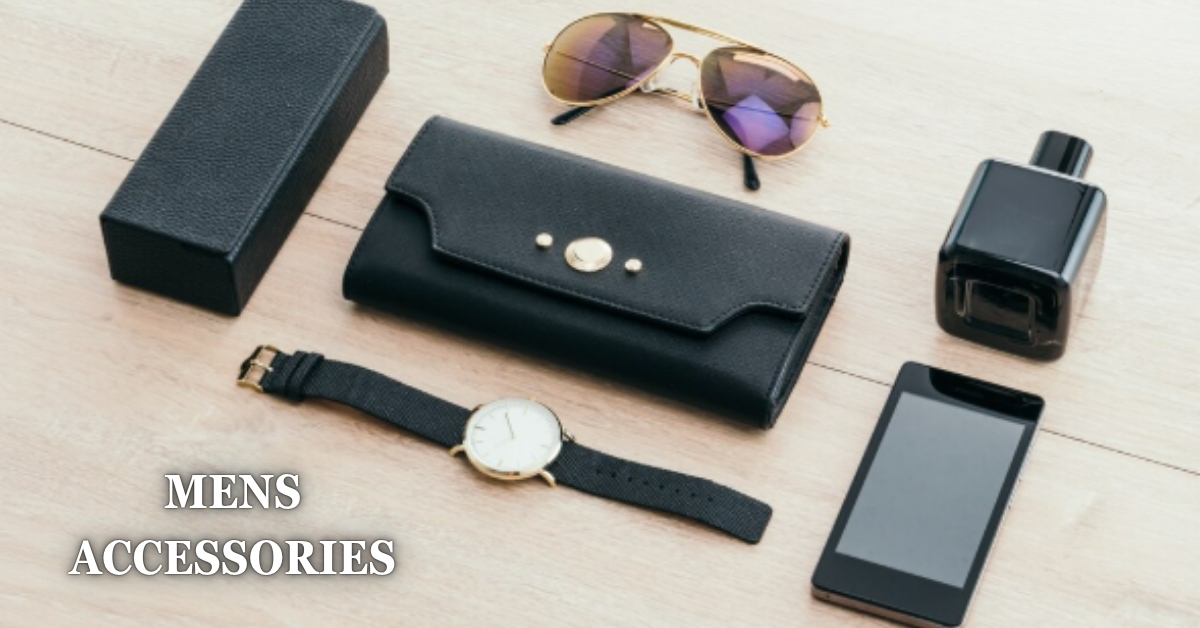
A lot of guys buy accessories the way they buy socks, whatever’s on sale, in whatever order it shows up in a cart. That’s backwards. mens accessories work best when they’re bought in a sequence built around what actually gets used daily, not around what looks most exciting in a photo. A belt and wallet earn their keep every single day. A watch earns its keep most days. Sunglasses and jewelry earn theirs seasonally or situationally. Buying in that order, rather than starting with the flashiest piece, is what keeps a small accessory collection from turning into a drawer of things that never quite get worn.
Quick Answer
Start with a leather belt and wallet in matching tones since they’re used daily, add one versatile watch next, then bring in sunglasses and one or two jewelry pieces like a ring or bracelet once those daily basics are settled and working together.
Why Buying Order Actually Matters Here
Most accessory guides list categories, watches, sunglasses, jewelry, bags, without ever addressing which one to buy first when a budget doesn’t stretch to all of them at once. That gap matters more than it sounds. A guy who buys a $400 watch before he owns a decent belt ends up with one great piece and four mediocre ones propping it up, and the whole look reads unfinished.
Frequency of use is the missing variable. A belt gets touched every time pants go on. A wallet gets pulled out multiple times a day. A watch gets worn most days but not all of them. Sunglasses depend on weather and season. Jewelry depends on mood and occasion. Spending the first real accessory budget on the items with the highest use frequency, rather than the ones with the most visual impact, is what actually builds a working system instead of a pile of purchases.
Belts and Wallets Come First for a Reason
A leather belt in a mid-brown or black tone, somewhere in the $40 to $90 range for full-grain leather, does more daily work than almost anything else on this list. It anchors trousers and jeans, and a cracked or peeling faux-leather belt undercuts an otherwise solid outfit faster than most people realize.
Wallets follow the same logic. A slim bifold or cardholder in leather that matches the belt’s tone, roughly $30 to $80 depending on construction, avoids the bulky back-pocket silhouette that makes trousers sit wrong. Matching the wallet and belt in color isn’t a rigid rule, but it’s the fastest way to make two everyday items look chosen rather than accumulated. Black goes with black hardware and darker shoes. Brown pairs more naturally with denim, chinos, and warmer tones elsewhere in the outfit.
The Watch Comes Second, Not First (H2)
A watch is usually the piece men want to buy first, and it’s understandable, dial size, strap material, and case finish carry real visual weight. But a watch bought before the daily basics are sorted tends to sit alone, since it has nothing else in the outfit built to the same standard yet.
One versatile watch beats three niche ones for most men starting out. A stainless steel case with a leather or metal band in the $150 to $350 range covers office, weekend, and most evening situations without needing a second piece. Strap color should echo the belt and wallet tone rather than fight it, brown leather strap with brown belt, black or metal band with black accessories. That single matching habit does more for a coordinated look than any individual piece’s price tag.
Sunglasses and Jewelry Round Out the System
Once the daily basics are settled, sunglasses and jewelry are what add personality without carrying the daily-use burden of a belt or watch. A well-fitted pair of sunglasses, generally $60 to $200 for a durable frame with real UV protection, should be chosen by face shape first and trend second. Rounder faces tend to suit angular frames, while more angular faces often look better in rounder or slightly curved shapes.
Jewelry has shifted fastest of any category here. Signet rings, thin chains, and simple bracelets have moved from niche to mainstream over the past few seasons, and a single well-chosen piece, a $50 to $150 silver or gold-toned band or bracelet, reads as intentional in a way that three or four smaller pieces worn together often doesn’t. One piece that fits the hand or wrist well beats a stack that competes with itself.
Where Most Guides Get the Metal Rule Wrong
Most accessory advice stops at telling men not to mix silver and gold jewelry, and leaves it there. That’s only half the rule. The same metal-matching logic applies across belt buckles, watch cases, sunglasses hinges, and jewelry all at once, not just ring to bracelet. A silver watch case next to a gold belt buckle creates the same visual clash as mismatched rings, even though most guides never mention the belt at all.
The fix is picking one metal tone, silver, gold, or a warm bronze or gunmetal, and carrying it across every metal accent worn that day. It doesn’t mean every piece needs to be the same finish. A brushed silver watch case still works with a slightly warmer stainless buckle. But a bright gold buckle next to a cool silver watch and silver rings is the mismatch that quietly makes an otherwise solid outfit look unplanned.
The Misconception That Accessories Should Be Loud
A common assumption is that men’s accessories only work as statement pieces, a bold watch, a chunky chain, something meant to be noticed first. That idea comes from how accessories get photographed for social media, where a single striking item reads well in a still image but says nothing about how it wears alongside everything else.
In practice, the accessories that hold up longest are quieter than that. A well-fitted watch, a properly toned belt, and one understated ring do more for how put-together an outfit reads than any single loud piece ever does on its own. Loud accessories aren’t wrong, they just work as an accent on top of a system that’s already coordinated, not as a substitute for one.
Building the Full System Without Overspending
A reasonable starting budget across belt, wallet, and watch runs somewhere between $220 and $520 depending on materials, and that combination alone covers the vast majority of daily situations a man dresses for. Sunglasses and one jewelry piece add another $110 to $350 on top of that, bringing a genuinely complete system to somewhere under $900 even at the higher end of the ranges above.
Spreading that spend over a few months rather than buying everything at once also has a practical upside. It gives time to notice which tone, black or brown, silver or gold, actually gets worn more, which keeps every later purchase matching the pieces that already earned a spot in daily rotation. The same proportion-first thinking applies to bags too, and the site’s breakdown of backpack shape, material, and color choices covers how those same coordination habits extend to carried accessories, not just what’s worn on the body.
For a broader look at where belts, watches, and jewelry fit into a full accessory rotation, the site’s Jewelry & Accessories category covers individual pieces in more depth than a single guide can. According to the Wikipedia entry on fashion accessories, accessories have functioned across history as both practical items and personal signifiers, which lines up with the daily-use versus statement-piece split covered above.
Conclusion
Men’s accessories work best as a system built in order of daily use, not as a random collection of pieces bought whenever budget allows. Start with a belt and wallet in a matching tone, add one versatile watch, then round things out with sunglasses and a single well-chosen piece of jewelry. That sequence, more than any individual purchase, is what makes an accessory collection actually look intentional.
FAQ
What are the most important accessories for men?
A quality leather belt, a matching wallet, and one versatile watch cover the most daily situations, with sunglasses and a single jewelry piece rounding things out afterward.
How many accessories should a man wear at once?
Two to four is usually the sweet spot, a watch, a belt, one piece of jewelry, and sunglasses when needed, since stacking more than that tends to compete rather than complement.
Should a man’s belt match his shoes?
It helps but isn’t required, matching the belt to the wallet and watch strap tone matters more for a coordinated look than matching it exactly to footwear.
Is jewelry acceptable for men to wear?
Yes, signet rings, thin chains, and simple bracelets have become standard rather than niche, especially when kept to one or two pieces instead of a full stack.
What is the most versatile watch for everyday wear?
A stainless steel case with a leather or metal band in a neutral tone works across office, weekend, and most evening settings without needing a second watch.
-
 Premium Handbags & Purses2 weeks ago
Bilge Bag Style: How a Boating Term Becomes a Bag Trend
-
 Premium Handbags & Purses2 weeks ago
Purse Accessories That Do More Than Just Decorate
-
 Beauty & Personal Care2 weeks ago
Kids Makeup Kit: Pretend or Washable, What to Pick
-
 Women's Clothing / Apparel2 weeks ago
How to Wear a Denim Jumpsuit Without Looking Boxy
-
 Women's Clothing / Apparel2 weeks ago
What Fashion Nova Dresses Really Deliver For The Price
-
 Jewelry & Accessories2 weeks ago
The Right Order to Buy Mens Accessories
-

 Shoes & Sandals2 weeks ago
The One Metallic Rule Nobody Tells You About Silver Shoes
-
 Women's Clothing / Apparel2 weeks ago
The Truth Behind Arriton Wholesale Sweatshirts Womens
Pingback: Fashion Nova Discount Code: Save More in 2026