Beauty & Personal Care
Kids Makeup Kit: Pretend or Washable, What to Pick

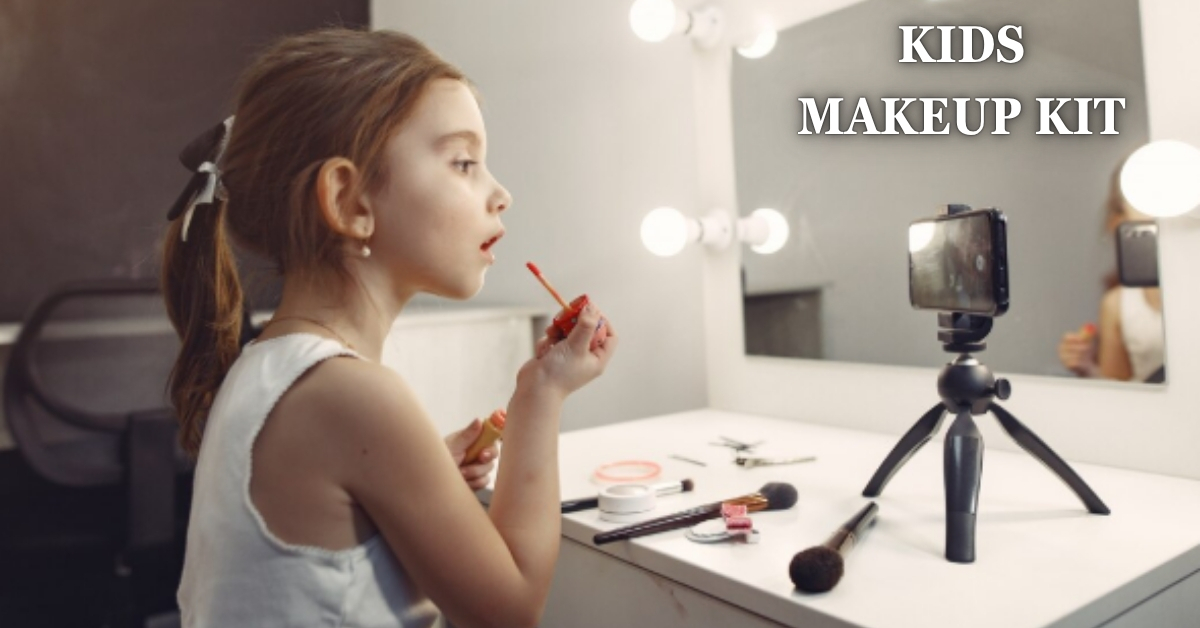
A kids makeup kit isn’t one product, it’s two very different ones wearing the same label. Some kits are costume toys with no color payoff at all, built purely for pretend play. Others are genuine washable cosmetics, scaled down and reformulated for young skin. Picking the wrong type is the single most common reason a gift ends up unused in a drawer by week two. This guide walks through what separates the two, what safety markings actually matter, how to match a kit to your child’s age, and where your money goes at each price tier, so the box you buy actually gets played with.
Here’s the Short Answer
A good kids makeup kit is either a no-mess pretend set for imaginative play or a washable, non-toxic real cosmetic set built for young skin, and the right pick depends entirely on your child’s age and whether they want the look of makeup or the actual result of it.
Pretend Play or Real Cosmetics: The Mix-Up Almost Every Parent Makes
Most shopping guides talk about “kids makeup kits” as though they’re all the same category, and that’s where the confusion starts. A pretend kit contains no functioning color product. The lipstick doesn’t tint, the eyeshadow is often just a painted plastic disc, and the whole point is the ritual of opening compacts and holding brushes, not the finished face. These sets suit toddlers and younger preschoolers who want to copy a parent’s routine without any actual pigment involved.
A washable makeup kit is a real cosmetic product. It goes on the skin, it shows color, and it needs to come off with soap and water rather than a special remover. This is what older kids mean when they ask for “real makeup.” Confusing the two leads to two common complaints in product reviews, a toddler frustrated that nothing shows up, or a parent surprised that a “toy” left a stain on a favorite shirt. Reading the packaging for the word washable or pretend before buying solves this in about ten seconds.
What’s Actually Inside a Good Kit
Component counts vary a lot between sets, but a genuinely useful kit tends to include a consistent core, regardless of whether it’s marketed as a 20-piece or a 60-piece set.
- A few cream or pressed eyeshadows in soft, low-pigment shades
- One or two washable lip glosses or tinted balms rather than true lipstick sticks
- A blush or bronzer that goes on sheer
- Soft-bristled brushes and sponge applicators sized for small hands
- A compact mirror and a case with dividers so pieces don’t rattle loose
Piece count alone is a weak signal of quality. A 60-piece set padded with stickers and plastic jewelry can feel less useful than a tighter 20-piece set built around real, bendable color. Look at what the pieces actually are before comparing kits by number.
Reading the Safety Labels That Actually Matter
Two markings are worth checking before anything else, ASTM F963 and CPSIA compliance, both of which relate to US toy safety testing for things like choking hazards and restricted substances. A kit carrying either label has gone through third-party testing rather than relying on a brand’s own claim of being non-toxic. The U.S. Consumer Product Safety Commission publishes the actual toy safety standards these labels reference, and it’s a useful place to check a specific certification if a listing feels vague about it.
Beyond certification, a detail most buying guides skip entirely is patch testing. Even a certified non-toxic formula can still irritate a specific child’s skin, since young skin has a thinner protective barrier than an adult’s. Applying a small amount to the inside of the wrist and waiting a few hours before the first full face application catches most reactions before they happen on a cheek or near an eye. This costs nothing and takes five minutes, yet it rarely shows up in product descriptions.
Matching the Kit to Your Child’s Age
Age fit matters more than the number printed on the box, since kits are usually labeled for a wide range like three to twelve. A three or four year old generally does better with a pretend set, since the appeal is the routine and the accessories rather than a finished look, and there’s no color payoff to worry about staining clothes or skin. Somewhere around six to eight, most kids start wanting to see an actual result, which is where a light washable set earns its keep.
By nine or ten, interest often shifts toward slightly more grown-up formulas, tinted lip products, a subtle blush, maybe a basic eyeshadow palette with a bit more pigment than the toddler versions. This is also the age where a short tutorial or included guide, rather than just loose products, tends to get more use, since kids at this stage want to learn technique, not just play dress-up.
Budget Tiers and What You Actually Get
Pricing on kids makeup kits generally splits into three honest tiers. Budget sets in the fifteen to twenty five dollar range typically deliver a smaller color range, simpler packaging, and thinner brushes, which is fine for a first kit or a birthday party favor rather than a daily-use item. Mid-range sets, roughly thirty to forty five dollars, add a nail component, a better case, and noticeably better blend quality on the eye shadows and blush.
Premium sets past fifty dollars usually bundle in a tutorial booklet, a larger mirror, and a sturdier travel case built to survive being dropped. The jump in price rarely buys better ingredients at this level, it mostly buys durability and extras. If your child is a heavy, frequent user, that durability difference in the case and applicators is where the extra cost actually shows up over time.
Common Mistakes Parents Make When Choosing One
A few patterns come up again and again in return reasons and reviews, and most are avoidable with a quick check before checkout.
- Buying based on piece count instead of checking what the pieces are
- Skipping the pretend versus washable distinction and ending up with the wrong type entirely
- Ignoring the certification labels and trusting only marketing language
- Not patch testing before a full application on sensitive skin
- Choosing a set clearly aimed at an older age range for a child who still wants pretend play
Most of these come down to reading past the photo on the box. A minute spent on the ingredient panel and the age recommendation saves a returned or unused gift later.
Conclusion
The right kids makeup kit comes down to one early decision, pretend or washable, made honestly based on what your child actually wants from it. From there, check for real safety certification, match the piece quality to age rather than count, and patch test before the first full use. Do that, and the kit earns its shelf space instead of joining the pile of unused toys. For more style and lifestyle picks, browse the Just Uniques homepage.
FAQ
What age can kids start using a makeup kit?
Most kids makeup kits are designed for ages three and up, though pretend sets suit younger toddlers better while washable cosmetic sets tend to fit ages six and older more comfortably.
Is kids makeup safe for sensitive skin?
Quality kits using washable, non-toxic formulas are generally gentler, but sensitive skin still varies child to child, so a patch test before full use is the safest step regardless of certification.
What’s the difference between pretend and real kids makeup?
Pretend kits have no color payoff and exist for imaginative play, while real washable kits contain actual pigmented, skin-safe formulas that show up and wash off with soap and water.
Are kids makeup kits non-toxic?
Kits carrying ASTM F963 or CPSIA certification have passed US toy safety testing, but always confirm the specific label on the listing rather than assuming from marketing copy alone.
How do you get kids makeup off skin and clothes?
Washable formulas typically rinse off skin with warm water and mild soap, and most washable kits also lift out of fabric with standard laundering, though a quick spot test on delicate fabric is worth doing first.

-
 Premium Handbags & Purses2 months ago
Bilge Bag Style: How a Boating Term Becomes a Bag Trend
-
 Premium Handbags & Purses2 months ago
Purse Accessories That Do More Than Just Decorate
-
 Women's Clothing / Apparel2 months ago
How to Wear a Denim Jumpsuit Without Looking Boxy
-
 Jewelry & Accessories2 months ago
Why Bogg Bag Accessories Are Worth It
-

 Shoes & Sandals2 months ago
Travis Scott Shoes: Best Sneakers and What to Know
-
 Jewelry & Accessories2 months ago
The Right Order to Buy Mens Accessories
-

 Shoes & Sandals2 months ago
The One Metallic Rule Nobody Tells You About Silver Shoes
-
 Fashion2 months ago
Fashion Nova Discount Code: Save More in 2026