
Premium Handbags & Purses
Bilge Bag Style: How a Boating Term Becomes a Bag Trend


A bilge bag has nothing to do with handbags on paper, it’s a boating term for the lowest part of a hull where water collects. But the practical, water-resistant character behind that word actually explains a lot about why utility-style bags keep trending in fashion right now. Designers have spent years pulling from workwear, uniforms, and marine gear, turning purely functional details into things people want to carry every day. This piece breaks down where the bilge bag term really comes from, which nautical details actually translate into wearable bags, and how to style them without looking like you just walked off a boat.
Quick Answer
A bilge bag is a marine term for boat-related containment equipment, not an established handbag style. In fashion, it works best as inspiration: canvas, rope, brass hardware, and secure closures borrowed from boating gear and reworked into wearable totes, cross bodies, and shoulder bags.
Where the Bilge Bag Term Actually Comes From
A bilge bag is not a recognized handbag category the way a tote, clutch, or cross body is. The word bilge belongs to boating vocabulary, referring to the lowest interior part of a hull where water and other liquids collect. Marine suppliers use bilge-related bags and absorbent products for containment and maintenance, built for entirely different materials and safety requirements than anything carried on a shoulder.
That distinction matters if you found the term through fashion content. A retailer slapping “bilge bag” on an ordinary purse would not make it an established silhouette on its own. The useful connection instead comes from the design language around marine equipment: durable textiles, drawcords, coated surfaces, webbing straps, and hardware built to survive rough handling.
Fashion has a long history with this kind of borrowing. According to Wikipedia’s overview of nautical style, maritime dress moved from naval uniforms into civilian leisurewear over more than a century, and designers from Coco Chanel to Jean Paul Gaultier built entire collections around it. Rope details, sailor stripes, navy tones, and coated fabrics have all made that same trip from function to wardrobe staple. The bilge bag idea fits into that same lineage because it starts with usefulness before it ever becomes decoration.
Why Utility Details Keep Showing Up in Bag Design
Practical construction has become harder to ignore in accessory design. A bag with a secure closure, a useful compartment, and a material suited to daily wear tends to get more use than a delicate piece that only works with one outfit.
Shoppers still care how a bag looks, but the strongest pieces now earn their place through function as much as appearance. That’s part of why so many handbag owners end up modifying what they already own rather than buying new. Just Uniques’ own look at the straps, charms, and organizers people add to a bag after it leaves the store makes a similar point: usefulness is something you build into a bag over time, not just something you buy up front.
A nautical-leaning bag can bring that same balance into an outfit without reading as boating equipment. A compact navy cross body finished with rope-style hardware suggests the maritime influence without turning the look into a costume. The same principle applies to a canvas tote, a structured shoulder bag, or a small pouch trimmed with technical webbing.
What Makes a Nautical-Inspired Bag Look Fashionable Rather Than Themed
The difference usually comes down to restraint. A fashion bag inspired by marine gear should borrow a couple of details rather than reproduce every functional feature at once. Look for:
- Navy, cream, sand, or muted blue tones that recall coastal dressing without spelling it out.
- Canvas or coated textiles that add a practical surface and visible texture.
- Rope or cord details used as handles, zipper pulls, or small accents.
- Webbing straps for a sportier, utility-led look.
- Metal hardware in silver, antique brass, or a matte finish.
- Secure closures like drawcords, zips, buckles, or snap fasteners.
- Compact proportions that keep the bag wearable day to day.
The strongest versions lean on one or two of these and let the rest of the bag stay quiet. That keeps the reference readable instead of pushing the whole outfit into themed territory.
Materials Carry the Nautical Reference Better Than Anything Else
Material is where this idea gets interesting. Fashion handbags already span smooth leather, suede, canvas, nylon, raffia, and synthetics, and nautical-inspired designs tend to lean toward materials associated with durability and outdoor exposure.
Canvas is the easiest entry point. A medium canvas tote with leather or webbing handles pairs comfortably with jeans, wide-leg trousers, or a relaxed cotton dress, and it already carries a workwear history that suits the utility aesthetic. Coated fabrics push the look in a cleaner, more technical direction, especially with simple hardware and a structured shape, which works well against minimalist outfits that don’t need extra print or pattern.
Nylon takes the idea somewhere lighter and sportier. A compact nylon shoulder bag with adjustable webbing suits sneakers, straight-leg trousers, or oversized outerwear. It reads as less overtly nautical than rope or canvas, but the functional influence still comes through clearly once you’re looking for it.
Styling a Nautical Utility Bag Without Looking Like You’re in Costume
The easiest approach pairs a functional-looking bag with ordinary clothes. You don’t need sailor stripes, boat shoes, and a navy blazer in the same outfit for the reference to land.
For daytime, try a cream cotton shirt with straight-leg denim, simple sneakers, and a navy or canvas cross body. The bag carries the nautical note while everything else stays modern and unremarkable. In warmer months, a natural canvas tote works well with linen trousers and a plain fitted top, with beige, ivory, or soft blue keeping the palette relaxed enough for the bag’s texture to stand out.
A darker utility bag also holds up against an all-black outfit. Black trousers, a simple knit top, and a compact technical shoulder bag read as clean and urban rather than sporty. Add silver jewelry instead of more nautical details if you want the look to feel intentional rather than themed. The same principle carries into Eastern dressing too. A structured canvas bag with clean lines can sit comfortably next to a simple kurta and trousers, and the contrast between traditional clothing and a practical modern accessory often reads as deliberate rather than mismatched.
The Mistake Worth Avoiding With This Term
The biggest misread is treating bilge bag as though it names an established handbag silhouette already sitting on fashion shelves. Search evidence doesn’t support that. The word’s primary meaning stays maritime, and marine retailers use bilge-related products for boating maintenance rather than personal carry.
That doesn’t make the fashion connection pointless. It just means the sensible move is to treat the term as a direction rather than a product name. Confusing a true boating item with a fashion accessory can also lead shoppers astray, since a genuine marine product is engineered for completely different liquids, storage needs, and safety standards than something meant to hold a phone and a wallet.
Which Nautical Details Actually Translate to Everyday Wear
Not every marine reference works equally well once it leaves the boat. Rope, canvas, navy tones, brass hardware, and simple closures translate easily because they already exist inside established accessory design.
Oversized hardware is trickier. Heavy clips and technical fittings can photograph well but turn distracting once worn with ordinary clothes, and the same goes for excessive webbing or too many utility pockets crowding one bag. Texture is usually the safer route in: a woven surface, sturdy canvas, or a subtle coated finish gives a bag character while keeping the nautical influence understated. Small details can carry the reference on their own without any single element doing too much work.
Choosing Between a Nautical Utility Bag and a Traditional Handbag
The right pick depends on what you need from the accessory. A classic leather handbag still works better for a polished look in formal settings or office dressing, where a refined finish matters more than flexibility.
A utility-inspired bag makes more sense when comfort and movement take priority. Cross body shapes suit shopping, travel, and casual weekends particularly well, especially on days when carrying something by hand becomes inconvenient. Size matters too. A large canvas tote can hold a notebook, a water bottle, and sunglasses, while a compact cross body only needs to manage a phone, wallet, and keys. A wardrobe doesn’t have to pick one lane exclusively. A structured handbag can cover formal occasions while a canvas or nylon option handles everyday dressing without competing for the same role.
Building the Look Without Buying a New Wardrobe
Most of this aesthetic can come from clothes already in your closet. Start with a neutral base, then add one functional accessory rather than several themed pieces at once.
A navy or cream bag works particularly well since both shades already connect naturally to nautical styling. Add denim, white cotton, or beige trousers if you want the reference more obvious, or skip color entirely and let texture do the talking through a canvas bag with leather handles or a woven tote. Jewelry can stay simple too. Small silver hoops or a fabric-strap watch generally read better than several nautical accessories stacked together.
Conclusion
The bilge bag term belongs to boating, but its practical, water-conscious character offers a genuine design direction for utility-minded accessories. Durable materials, rope details, webbing, and secure closures are the real takeaways, and they work best used selectively rather than turned into a full maritime costume. A canvas tote, a nylon cross body, or a structured utility bag can bring that functional character into everyday dressing while staying easy to wear season after season.
FAQ
Is a bilge bag a type of handbag?
Not in the conventional sense. The term belongs primarily to boating, so its fashion use works best as a nautical-inspired design idea rather than a named handbag category.
What materials work best for a nautical-inspired fashion bag?
Canvas, nylon, coated textiles, leather, and woven fabrics all work, and the right pick depends on whether you want a casual, technical, or polished finish.
Can a nautical-inspired bag be worn with everyday clothes?
Yes, A navy crossbody, canvas tote, or neutral utility bag pairs easily with denim, trousers, cotton shirts, dresses, and simple Eastern outfits without reading as overly themed.
Are nautical-style bags actually waterproof?
Not automatically. Water resistance depends on the specific fabric, coating, seams, and zippers, so it’s worth checking the product description rather than assuming based on looks alone.
What’s the easiest way to try this trend?
Start with one subtle feature, a canvas texture, a navy tone, or a rope detail, and keep the rest of the outfit simple so the bag feels like part of your personal style rather than a costume piece.
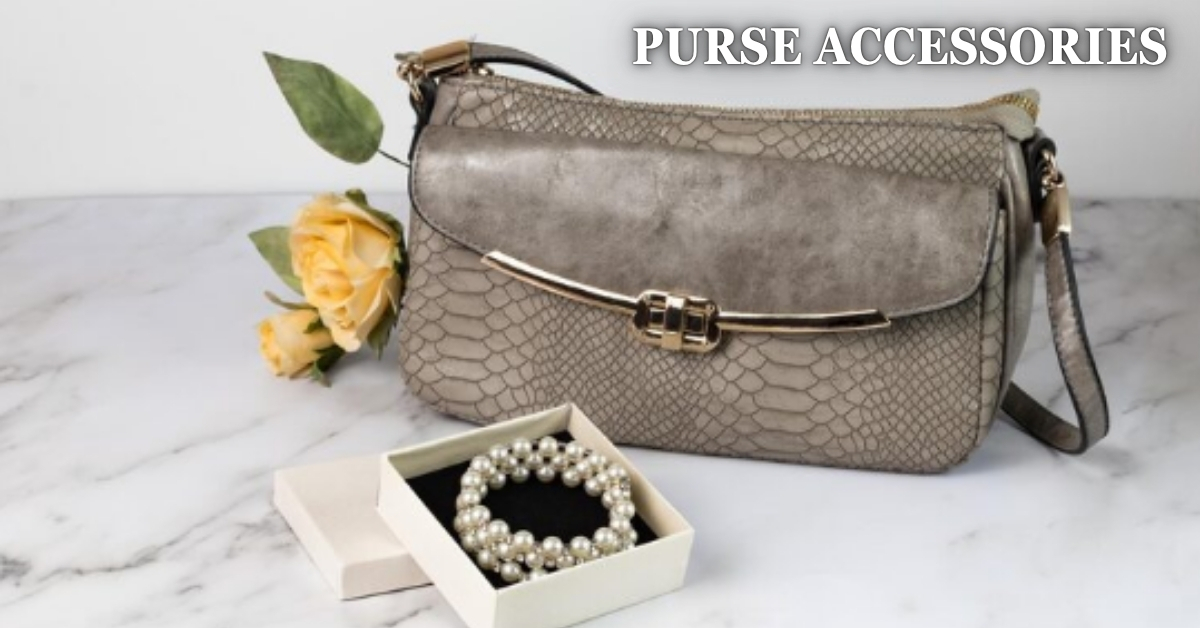
A handbag rarely stays exactly as it left the store shelf. Owners swap straps, clip on charms, tuck in organizers, and slide on rain covers long after the original purchase, and purse accessories are what make all of that possible. Some are purely decorative, meant to signal personality or match an outfit. Others do real work, protecting leather, organizing contents, or extending a bag’s usable life by years. Most guides on this topic lean almost entirely toward the decorative side, charms, tassels, scarves, while barely mentioning the functional accessories that actually keep an expensive bag looking new. This piece covers both halves properly.
Quick Answer
Purse accessories are add-on items made for handbags, split into two real categories: decorative pieces like charms, scarves, and twillies that change how a bag looks, and functional pieces like organizers, interchangeable straps, and rain covers that protect the bag and make it easier to use.
Two Categories Almost Nobody Separates Clearly
Search around and most articles on purse accessories jump straight to charms and scarves, treating the whole topic as pure styling. That’s only half the picture. Purse accessories split cleanly into decorative and functional groups, and mixing them together without distinction is exactly why so many guides feel thin once you actually try to shop from them.
Decorative accessories exist to change how a bag looks. Bag charms, keychain clips, tassels, twillies, and small scarves fall here, and their entire purpose is personality and visual interest. Functional accessories exist to protect the bag or make it more usable day to day. Purse organizers, interchangeable crossbody straps, corner protectors, and weatherproof covers belong in this group, and their value shows up in how long the bag stays in good condition rather than in how it photographs.
Knowing which category a piece belongs to changes how you shop for it. A charm gets picked for color and mood. An organizer or a rain cover gets picked for fit, material, and how well it actually does its job.
Decorative Accessories: Charms, Twillies, and Straps
Bag charms remain the most common entry point, largely because brands like Coach, Kate Spade, and Marc Jacobs have pushed clip-on charms hard over the past few seasons, with prices typically running $20 to $90 for a mid-range leather or resin charm. Twillies, the small silk scarves originally popularized by Hermès for wrapping around handles or handbag straps, sit at a similar or higher price point when bought from a designer house, though plain silk versions from general retailers run closer to $15 to $30.
Tassels and pom-poms clip onto zipper pulls or side rings and cost very little, usually under $20, which makes them an easy way to test a color or texture before committing to anything pricier. Bag straps deserve their own mention here because they’ve become one of the most active accessory categories in fashion right now. Guard straps, the wider decorative straps that clip over an existing thin strap, let a plain bag borrow the look of a much more expensive one, and a decent leather or embellished guard strap typically costs $30 to $120 depending on hardware and material.
Pins and brooches work well on structured totes and satchels but tend to look out of place on soft, slouchy bags, since there’s no firm surface for them to sit against. That’s a small detail most styling guides skip entirely, and it matters more than color matching does.
Functional Accessories: The Half Most Guides Skip
Purse organizers are inserts, usually felt, nylon, or lightweight leather, that sit inside a bag and divide it into sections. They matter most in structured totes and open-top bags where items shift around and sink to the bottom. A good organizer insert runs $15 to $45 depending on size and material, and the return on that small cost is real, it keeps a soft-structured bag holding its shape instead of collapsing inward from loose weight.
Interchangeable straps have quietly become one of the more practical purchases in this whole category. Instead of buying a second bag, a chain strap, a wide leather strap, or a woven canvas strap lets one handbag function as three different looks depending on the day. Prices range widely, from $25 for basic canvas options to well over $150 for solid brass chain straps.
Rain covers and weatherproof shields are the accessory nobody thinks about until the first unexpected downpour ruins a suede or light-colored leather bag. These are usually PEVA or polyester covers that slip over the entire bag, cost under $20, and pack down small enough to live in a bag’s interior pocket permanently. Corner protectors, small clear or leather guards that adhere to the base corners of structured bags, prevent the scuffing that happens every time a bag gets set down on pavement or under a chair, and they’re one of the cheapest, least glamorous purchases that genuinely extends a bag’s resale value.
Choosing Accessories by Occasion and Bag Type
A clutch heading to a formal event benefits from a single strong statement piece, a jeweled clip, a chain wristlet strap, or a small brooch, rather than several small items competing for attention. Tote bags used for daily errands or work handle organizers and interchangeable straps well, since the goal there is function stacked with a bit of personality rather than a dressed-up moment.
Crossbody bags respond especially well to guard straps and charms because the strap itself is already visible and part of the outfit, unlike a handheld clutch where the strap barely shows. Satchels and structured bags, with their firmer surfaces, are the best candidates for pins, brooches, and rigid charms that need something solid to hang against.
The general rule that holds up across all of these: match metal tones first. A bag with gold hardware generally looks better with gold-toned charms and straps, and mixing warm and cool metals on the same bag is the fastest way to make an otherwise well-chosen accessory look accidental rather than intentional.
Why People Assume Accessories Damage the Bag
There’s a persistent worry that adding accessories, organizers especially, will stretch a bag out of shape or wear down the interior lining. That concern isn’t baseless, but it’s usually about fit rather than the accessory itself. An organizer sized too large for its bag will absolutely push against the sides and distort the shape over months of use.
The actual fix is simple and rarely mentioned: measure the bag’s interior before buying an insert, and choose one built specifically for that bag’s dimensions or slightly undersized rather than a generic one-size-fits-all option. Straps and charms attached through existing D-rings or hardware don’t carry this risk at all, since they’re not pushing against the bag’s structure from the inside. The confusion mostly comes from lumping every accessory type into one worry, when in practice only oversized interior organizers carry any real risk.
The One Thing Worth Checking Before Buying
Before adding any accessory, check the hardware attachment point on the actual bag, not just the accessory description. Clip-on charms and straps rely on D-rings, lobster clasps, or swivel hooks, and sizes vary more than most buyers expect. A charm with a large clasp won’t sit properly on a delicate handbag ring, and it’s a return most shoppers could avoid by checking hardware dimensions first. This single step solves more accessory disappointment than any styling advice does.
For readers building out a full handbag rotation rather than a single bag, it helps to think about accessories as part of the same planning as the bags themselves, something the site’s broader fashion and lifestyle coverage touches on across handbags, jewelry, and everyday styling. Purse accessories aren’t a side note to that bigger picture, they’re often the cheapest way to make an existing bag collection feel new again.
According to the Wikipedia entry on purse accessories, the category has historically included both protective items like rain covers and purely decorative charms, which lines up with the split covered above rather than treating decoration as the whole story.
Conclusion
Purse accessories work best when they’re chosen with a clear purpose in mind, decoration for personality, function for protection and organization, rather than treated as one interchangeable pile of extras. Start with whichever half your bag actually needs right now, a rain cover before a rainy commute, an organizer before a cluttered tote becomes unusable, or a charm before an outfit that needs one more detail. That single decision does more for a handbag’s longevity and look than any amount of scattered accessory shopping.
FAQ
What are purse accessories called?
They’re generally called handbag accessories or bag accessories, covering both decorative items like charms and straps and functional items like organizers and rain covers.
How do you accessorize a plain purse?
Start with one focal piece, a guard strap or a single charm, rather than several small items at once, and match the metal tone to the bag’s existing hardware.
What is a twilly used for on a purse?
A twilly is a narrow silk scarf wrapped around a handbag’s handle or strap to add color and pattern without altering the bag itself.
Do purse organizers stretch out a bag’s shape?
Only if the organizer is sized larger than the bag’s interior. Choosing an insert built for the bag’s specific dimensions avoids this issue entirely.
Are interchangeable purse straps worth buying?
Yes for most owners, since a single bag can take on several different looks for a fraction of the cost of buying additional handbags.
-
 Premium Handbags & Purses2 weeks ago
Purse Accessories That Do More Than Just Decorate
-
 Jewelry & Accessories2 weeks ago
The Right Order to Buy Mens Accessories
-

 Beauty & Personal Care2 weeks ago
Kids Makeup Kit: Pretend or Washable, What to Pick
-

 Women's Clothing / Apparel2 weeks ago
The Truth Behind Arriton Wholesale Sweatshirts Womens
-

 Women's Clothing / Apparel2 weeks ago
How to Wear a Denim Jumpsuit Without Looking Boxy
-

 Women's Clothing / Apparel2 weeks ago
What Fashion Nova Dresses Really Deliver For The Price
-

 Shoes & Sandals2 weeks ago
The One Metallic Rule Nobody Tells You About Silver Shoes
-

 Lifestyle Blog / Style Guides2 weeks ago
What Thelifestyleedge Com Covers Before You Trust It