
Shoes & Sandals
Golden Goose Shoes: Are They Worth It?

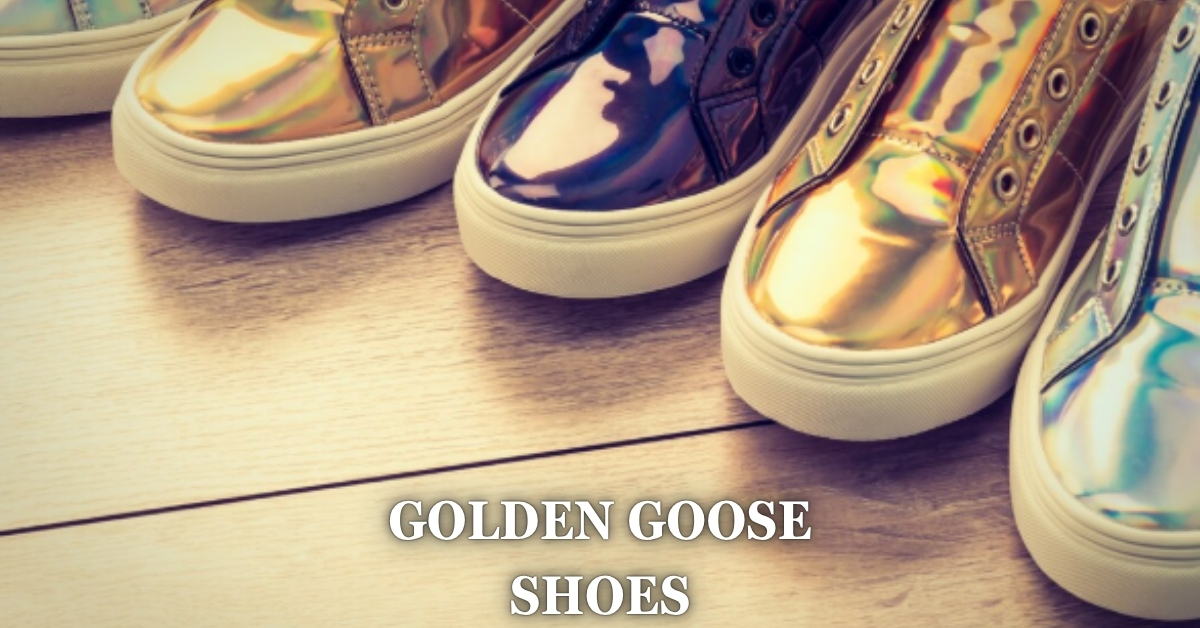
Golden Goose shoes have become one of the most recognizable names in luxury sneakers, largely because they look nothing like the spotless, factory-perfect trainers that dominate traditional designer footwear. Their deliberately scuffed soles, faded finishes, signature star details, and relaxed silhouettes give them the appearance of sneakers that have already lived a life. That unusual approach has made Golden Goose a favorite among people who want luxury footwear with personality rather than a polished, overly formal appearance. But there is an obvious question behind the hype: are Golden Goose shoes actually worth the money? The answer depends on what you value in a sneaker. Golden Goose focuses heavily on Italian craftsmanship, distinctive design, hand finishing, and the idea that imperfections can make an item more personal. The company says its sneakers are handmade in Italy and that making a pair involves more than four hours of artisanal work.
What Are Golden Goose Shoes?
Golden Goose is an Italian luxury fashion brand known particularly for its sneakers, although its collection extends into clothing, bags, accessories, and other fashion categories. The brand was founded in Venice, and its identity remains closely connected with Italian craftsmanship and the visual language of Venetian artisanship. Unlike many luxury sneaker brands that emphasize pristine leather, minimalist branding, and a brand-new appearance, Golden Goose deliberately embraces a lived-in aesthetic. Scratches, faded areas, worn-looking soles, and hand-applied finishing are not necessarily signs of damage; they are part of the design language. The company describes this philosophy as “Perfect Imperfection,” treating visible signs of wear as something that can give an individual pair character.
The Story Behind the Brand
The appeal of Golden Goose becomes easier to understand when you look beyond the price tag. The brand has spent more than two decades developing a model built around Italian craftsmanship while mixing traditional techniques with contemporary street wear influences. According to Golden Goose Group, 100% of its sneakers are handcrafted in Italy, and the company reported approximately 26 permanent sneaker silhouettes as of the end of 2025. That combination gives Golden Goose a distinctive position between luxury fashion and everyday sportswear. You can wear a pair with jeans and a T-shirt, but the craftsmanship and price place them firmly in the luxury category. In other words, Golden Goose shoes are designed to feel casual without being ordinary.
Why Are Golden Goose Shoes So Popular?
Part of the appeal is that Golden Goose sneakers are instantly recognizable without relying on oversized logos. The star motif, distressed treatment, contrasting panels, and intentionally aged soles create a visual signature that people can identify from across a room. That matters in a luxury market where consumers increasingly want products that communicate taste without looking excessively branded. Golden Goose Group says approximately 72% of its sales come from Gen Z and Gen Y customers, showing how strongly the brand resonates with younger luxury shoppers. The shoes also fit naturally into modern wardrobes because their styling is relatively casual. Instead of saving a luxury sneaker for special occasions, you can wear Golden Goose shoes with denim, trousers, dresses, skirts, or relaxed tailoring.
The Perfect Imperfection Aesthetic
The deliberately worn appearance is probably the most controversial and memorable feature of Golden Goose shoes. Some shoppers see the scuffs and faded finishes as artistic details, while others understandably wonder why anyone would spend luxury prices on shoes that look dirty from day one. That reaction is actually part of what makes the design interesting. Golden Goose reverses the traditional idea that a new luxury product should look untouched. Its artisans manually apply distinctive finishing techniques so that the sneakers have a lived-in character before they reach the customer. The company says each pair is unique because of this artisanal process, meaning small differences can occur between individual sneakers.
How Golden Goose Shoes Are Made
Craftsmanship is one of the strongest arguments for Golden Goose’s premium positioning. The company says its sneaker production remains based in Italy and involves a long-established network of artisans. Its manufacturing description states that producing a pair can require more than four hours of artisanal work, with numerous stages contributing to the final appearance. Materials can include options such as nappa, suede, velvet, and canvas, depending on the design. This is important because the distressed appearance isn’t simply a matter of taking an ordinary sneaker and making it look old. The aging effect is deliberately incorporated into the construction and finishing process.
Made-in-Italy Craftsmanship
Golden Goose’s connection to Italy is more than a marketing phrase. The company reports that its footwear supply chain includes 19 shoe factories, with 95% located in Italy, while 97% of its raw-material suppliers were based in Italy as of December 31, 2025. The brand also describes its Venetian roots as a central part of its identity. This concentration of production in Italy helps explain why the company places such emphasis on artisanal expertise. For shoppers who care about where luxury products are manufactured, that transparency can be an important part of the purchasing decision.
What Makes Each Pair Different
One of the unusual things about Golden Goose shoes is that variation is expected rather than treated as a flaw. The hand-finishing process means two sneakers can have slightly different marks, fading, or distressed details. Golden Goose specifically says its artisanal process means no two shoes are exactly alike. That philosophy can be appealing if you want footwear that feels individual rather than mass-produced. It also means that shoppers should not expect every pair to look perfectly symmetrical or identical to product photographs. With Golden Goose, some of the visual differences are part of the point.
Popular Golden Goose Shoe Styles
Golden Goose offers numerous silhouettes, but some styles have become particularly recognizable. The Super-Star is closely associated with the brand’s signature aesthetic, while the Ball Star takes inspiration from classic basketball footwear and has a chunkier, sportier presence. Other silhouettes, including the Stardan and newer designs, give shoppers alternatives when they want the Golden Goose visual language without buying the same familiar model everyone knows. The company says it maintains around 26 permanent silhouettes, alongside new product launches each year.
Superstar Sneakers
The Super-Star remains one of the most recognizable choices for shoppers searching for Golden Goose sneakers. Its low-profile shape works particularly well with casual outfits, while the distressed finishing makes even a simple pair of jeans look more deliberately styled. Depending on the version, you can find combinations involving leather, suede, metallic accents, contrasting stars, and different heel treatments. The major advantage of the Super-Star is versatility: it has enough visual character to stand out but remains easy to wear with everyday clothing.
Ball Star Sneakers
The Ball Star offers a different personality. Its basketball-inspired shape gives it a more substantial profile, making it particularly useful if you prefer sneakers with a little more volume. The design works well with straight-leg jeans, relaxed trousers, oversized shirts, and contemporary streetwear. Like other Golden Goose sneakers, Ball Star versions can vary considerably in materials and colors, so the exact appearance depends on the specific release. If the Super-Star feels too familiar or slim for your wardrobe, the Ball Star can be a compelling alternative.
Are Golden Goose Shoes Comfortable?
Comfort is subjective, but Golden Goose sneakers are designed as lifestyle footwear rather than performance running shoes. Their construction and materials can feel comfortable for everyday city use, especially after they have been worn enough to adapt to your feet. However, you should not buy them expecting the cushioning technology of a modern athletic sneaker. A luxury sneaker can be beautifully made without being the best shoe for long-distance running, intense workouts, or all-day standing.
Fit is equally important. Different Golden Goose silhouettes can have different shapes, and material choices may influence how a shoe feels. If possible, trying the exact model and size before purchasing is the safest approach. When buying online, checking the retailer’s current sizing guidance and return policy is particularly sensible because luxury sneakers are an expensive item to get wrong.
Golden Goose Shoes: Price and Value
The price of Golden Goose shoes is one of the biggest reasons people debate whether they are worth buying. You are not paying solely for rubber, leather, laces, and a sole. You are paying for the brand, Italian manufacturing, hand finishing, design identity, and the experience associated with luxury fashion. Current Golden Goose listings also show significant price variation depending on the model and materials; for example, the company’s U.S. site currently lists selected men’s sustainable sneakers at prices ranging from $350 for certain Yatay models to $660 for a Stardan.
What You Are Actually Paying For
A useful way to think about Golden Goose pricing is to compare it with buying a handmade leather accessory rather than a basic pair of athletic shoes. If your priority is maximum technical performance per dollar, Golden Goose probably isn’t the logical choice. If you value distinctive design, craftsmanship, luxury branding, and a sneaker that can become part of your personal style, the calculation changes. The company also offers customization services, with customized products handcrafted by artisans in Marghera near Venice. In that context, the premium is partly about the product itself and partly about the broader luxury experience.
How to Style Golden Goose Shoes
Golden Goose shoes are surprisingly flexible because their distressed appearance already adds visual interest to an outfit. For a simple everyday look, pair them with straight-leg denim, a plain T-shirt, and a lightweight jacket. For something more polished, try them with tailored trousers and a relaxed button-down shirt; the contrast between formal clothing and worn-looking sneakers can make the outfit feel intentional rather than overly corporate. Women can also pair Golden Goose sneakers with casual dresses, midi skirts, wide-leg trousers, or denim. The key is not to overthink them. These sneakers work best when they look like a natural part of your wardrobe rather than an accessory you are trying desperately to showcase.
How to Care for Golden Goose Shoes
The distressed finish makes Golden Goose sneakers relatively forgiving visually, but that does not mean they require no care. Dirt, moisture, and spills can still damage leather, suede, and other materials. Cleaning should be appropriate for the specific material rather than using one universal product on every part of the shoe. Suede, for example, needs different treatment from smooth leather. Avoid soaking luxury sneakers unnecessarily, and allow wet shoes to dry naturally rather than exposing them to intense direct heat.
Golden Goose’s philosophy also means you do not need to obsess over keeping every tiny mark away. Some additional signs of use can blend naturally into the existing aesthetic. The goal is to preserve the materials and structure while allowing the sneaker to develop its own character.
Are Golden Goose Shoes Worth Buying?
For the right shopper, Golden Goose shoes can be worth buying, but they are not a universal value proposition. They make the most sense if you genuinely love the distressed aesthetic, appreciate Italian craftsmanship, and want a luxury sneaker that feels different from conventional minimalist footwear. Golden Goose’s current corporate information confirms its continued emphasis on Italian handmade production, with 100% of its sneakers made by hand in Italy.
If you dislike intentionally scuffed footwear or mainly care about cushioning, athletic performance, and price-to-performance value, there are better options. But if the design makes you smile every time you put the shoes on, the equation becomes much simpler. Luxury purchases are rarely about utility alone. Sometimes the value is in the feeling, the craftsmanship, and the way a product fits your personal style.
Conclusion
Golden Goose shoes stand out because they challenge the traditional idea of what a luxury sneaker should look like. Instead of pristine surfaces and an untouched appearance, the brand builds character into its designs through deliberate distressing and extensive artisanal finishing. Its continued focus on Italian production, handmade craftsmanship, and distinctive silhouettes gives the shoes a genuine point of difference beyond their recognizable star logo.
Whether they are worth the investment ultimately comes down to your priorities. If you want a technical sports sneaker, you can spend less and potentially get better performance. If you want a fashion-forward luxury sneaker with a deliberately imperfect personality, Golden Goose shoes offer something difficult to replicate. Their biggest strength is also their most divisive feature: they are designed to look lived-in, because Golden Goose believes that individuality is more interesting than perfection.
FAQ
Why are Golden Goose shoes so expensive?
Golden Goose shoes carry luxury-fashion pricing because the cost reflects more than basic materials. The brand emphasizes Italian manufacturing, artisanal labor, hand finishing, design development, and its established luxury positioning. Golden Goose says its sneakers are handcrafted in Italy and that producing a pair can take more than four hours of artisanal work.
Are Golden Goose shoes actually made in Italy?
Yes. Golden Goose states that 100% of its sneakers are handcrafted in Italy. Its published supply-chain information also shows that the overwhelming majority of its footwear-related suppliers are located in Italy.
Why do Golden Goose sneakers look dirty?
The worn appearance is intentional. Golden Goose uses hand-applied distressing techniques to create its signature lived-in aesthetic. Scuffs, faded areas, and other marks are part of the design philosophy rather than evidence that the shoes have previously been worn.
Which Golden Goose sneaker is best for everyday wear?
The best choice depends on your preferred shape, but the Super-Star is one of the easiest silhouettes to incorporate into an everyday wardrobe. Its relatively versatile profile works with jeans, trousers, casual dresses, and many other everyday outfits.
Are Golden Goose shoes a good investment?
They can be a worthwhile purchase if you value distinctive luxury design, Italian craftsmanship, and the brand’s deliberately distressed aesthetic. They are less compelling if your main priorities are athletic performance or getting the maximum technical features for your money.
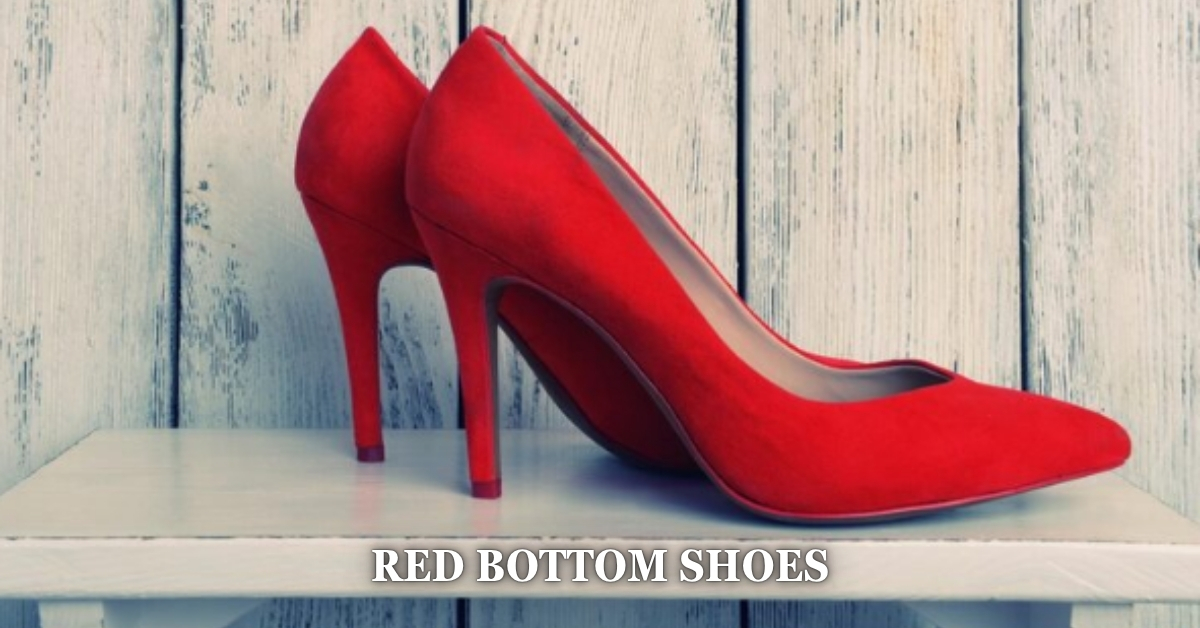
Ask ten people what red bottom shoes are and most will say Louboutins before they say anything else, and they are right for one specific legal reason most guides skip over. A shoe with a red sole is not automatically a red bottom shoe in the branded sense unless that red matches an exact registered shade, applied a particular way, by one French design house. That distinction matters if you are shopping secondhand, comparing a dupe to the real thing, or just trying to understand why a pair of heels with a painted sole can cost four figures. This guide covers where the color came from, what protects it legally, real price ranges, and how to check whether a pair is genuine.
The Short Version
Red bottom shoes almost always refer to Christian Louboutin footwear, whose glossy red lacquered sole, Pantone 18-1663TP, is a registered trademark in the US, EU, and France. Genuine pairs typically retail from around six hundred dollars for flats to well over two thousand for statement heels.
What Red Bottom Shoes Actually Means
The phrase started as slang, not a brand name, which is part of why it still confuses new shoppers. When someone says red bottom shoes, they are almost always describing Christian Louboutin footwear, the French house founded by designer Christian Louboutin in 1991. Every pair, from a ballet flat to a six inch stiletto, carries the same glossy red lacquer across the entire sole. That consistency, more than any specific shoe shape, is what makes the term stick as a nickname for the brand.
That origin story gets repeated often because it happens to be true and genuinely charming. Louboutin has said the idea came to him while watching an assistant paint her nails a bright red near a plain black sole, and he grabbed the polish and tried it on a shoe himself. The first pair with the lacquered sole came out in 1993, and the detail turned into the brand’s entire identity within a few years. Every version since has used the same base concept, a contrasting sole color loud enough to be spotted from across a room.
Why the Red Sole Is a Legal Trademark, Not Just a Look
Most articles mention that the red sole is trademarked without explaining what that phrase actually covers, and the details change how you should think about dupes. The color itself is registered as Pantone 18-1663TP, a specific shade of glossy lacquer red, and Louboutin holds trademark protection over it in the United States, France, and the broader European Union. That is not the same as owning the concept of a red sole in general. A 2012 US court ruling in Louboutin’s case against Yves Saint Laurent narrowed the protection specifically to soles that contrast with the rest of the shoe, meaning an all red shoe with a red sole does not infringe the mark.
The European side of the fight ran even longer. In 2018 the Court of Justice of the European Union sided with Louboutin against Dutch retailer Van Haren, ruling that a color applied to a specific position on a product, rather than the shape of the product itself, can legally function as a trademark. Around the same time, a Paris court ordered French brand Kesslord to pay Louboutin after finding its own red soled shoes infringed the mark. Coverage of the European Court of Justice ruling from FashionUnited lays out how the case reached that conclusion. Together, these rulings are why a shoe with a plain colored sole that is not the specific registered red generally is not legally a red bottom in the branded sense, whatever a listing calls it.
How Much Red Bottom Shoes Actually Cost
Price is where most competing guides get vague, quoting a single number and moving on. New Christian Louboutin footwear generally starts around six hundred to seven hundred dollars for simpler flats and slides, climbs into the eight hundred to one thousand two hundred dollar range for the brand’s signature pumps like the So Kate or Pigalle, and can pass two thousand dollars for boots, evening styles, or anything with crystal or fur detailing. Limited runs and collaborations sit well above that.
Resale tells a different story, and it is where most shoppers actually end up looking. On secondhand marketplaces, well cared for pairs commonly trade between three hundred and eight hundred dollars depending on style, size, and condition. A realistic entry point for a first pair sits closer to five hundred dollars than the thousand dollar figure most people assume applies across the board.
How to Tell If Red Bottom Shoes Are Real
- Sole finish and material. Genuine soles are smooth, glossy leather in the specific 18-1663TP red. Replicas often use a duller plastic or rubber coating that looks slightly orange or brownish next to the real shade.
- Fit against the upper. On an authentic pair, the sole sits flush against the shoe with no visible gap or overspray onto the sides.
- Interior stamping. Genuine pairs have a clean, evenly spaced Christian Louboutin Paris stamp inside, along with a size marking that matches the country of sale.
- Weight and stitching. Authentic construction feels notably heavier and more rigid than a replica, and stitching runs even and tight rather than loose or visibly hand finished.
- Where it was bought. Buying from the brand’s own boutiques, its official site, or established department stores like Saks and Neiman Marcus removes most of the guesswork. Resale platforms require closer inspection of photos and seller history before paying.
The Idea That Any Red Sole Counts As a Red Bottom
The most common misunderstanding around this keyword is treating any shoe with a colored sole as a red bottom shoe, or assuming every Louboutin style is automatically red on the bottom. Neither is accurate. Plenty of brands, from budget retailers to other luxury houses, have released shoes with red painted soles over the years, and several of those companies have faced legal action for it, which is exactly why the confusion persists in casual conversation.
On the flip side, not everything Louboutin makes is a stiletto with a blazing red sole either. The brand also produces sneakers, sandals, and men’s dress shoes that use the same signature red underneath a far more casual upper. The sole earns the nickname, not the heel height or the silhouette, so a flat loafer with the correct lacquered sole counts just as much as a five inch pump.
Where Red Bottom Shoes Actually Fit In a Wardrobe
Despite the red carpet reputation, these shoes work in more ordinary settings than their image suggests. A simple black pump with the signature sole reads as polished rather than flashy under a suit or a work dress, since the color only shows when you walk or sit. Save the boldest styles, ankle boots, crystal embellished heels, bright colored uppers, for evenings and events where a little drama is actually the point.
Anyone new to the brand tends to do better starting with a classic silhouette in black or nude patent leather rather than a statement piece. That choice gets the most wear across work, dinners, and travel, and it holds resale value better than a seasonal print or an unusual color combination that only suits a narrow range of outfits.
Caring for the Sole So It Lasts
The lacquer is the most fragile part of the shoe, and it scuffs the first time it touches concrete without protection. Many owners apply a clear rubber sole protector before wearing a new pair outdoors, which adds grip and keeps the red from wearing thin on pavement. Touch up kits sold through the brand replace small scuffs, though a full professional resole is usually worth the cost once the color fades unevenly across a well loved pair.
If the Price Tag Is the Obstacle
Not everyone wants to spend hundreds or thousands of dollars for a red sole, and that is a fair position rather than a lesser one. Several mainstream shoe brands sell red soled heels and flats in the eighty to one hundred fifty dollar range that borrow the general look without using the protected shade or claiming the name. Buying one honestly, as a lookalike rather than pretending it is the real brand, keeps the purchase simple and avoids any confusion at resale later.
For more footwear guidance across price points, the shoe and sandal coverage on the site covers plenty of styles that do not depend on a single trademarked color to look finished. If you are curious how another luxury shoe brand justifies its price tag, the site’s breakdown of whether Golden Goose sneakers are worth the money covers a similar debate from a very different angle.
Conclusion
Red bottom shoes are Christian Louboutin footwear, and that identity is backed by actual trademark law rather than just marketing. Knowing the exact Pantone shade, the legal history behind it, and the real price range you should expect takes the guesswork out of shopping new, hunting resale, or comparing a budget lookalike. Start with a classic black or nude pair if the brand is new to you, protect the sole early, and let the shoe do the talking instead of the price tag.
FAQ
What brand makes red bottom shoes?
Christian Louboutin is the brand behind red bottom shoes. The French designer introduced the signature lacquered red sole in 1993, and it has stayed the brand’s defining feature ever since.
Why do Louboutins have red soles?
Christian Louboutin has said he painted a sole with red nail polish after seeing an assistant’s manicure and liked the result enough to make it permanent. The shade is now registered as Pantone 18-1663TP.
How can you tell if red bottom shoes are real?
Check the sole’s exact red shade and glossy leather finish, look for a clean interior stamp reading Christian Louboutin Paris, and confirm there is no gap where the sole meets the upper.
How much do red bottom shoes cost?
New pairs generally range from about six hundred dollars for simple styles to well over two thousand for elaborate heels, while resale prices commonly fall between three hundred and eight hundred dollars.
Are all Louboutin shoes red on the bottom?
Yes, the signature lacquered red sole appears across nearly the entire Louboutin line, including flats, sneakers, and men’s shoes, not only the brand’s well known stiletto heels.
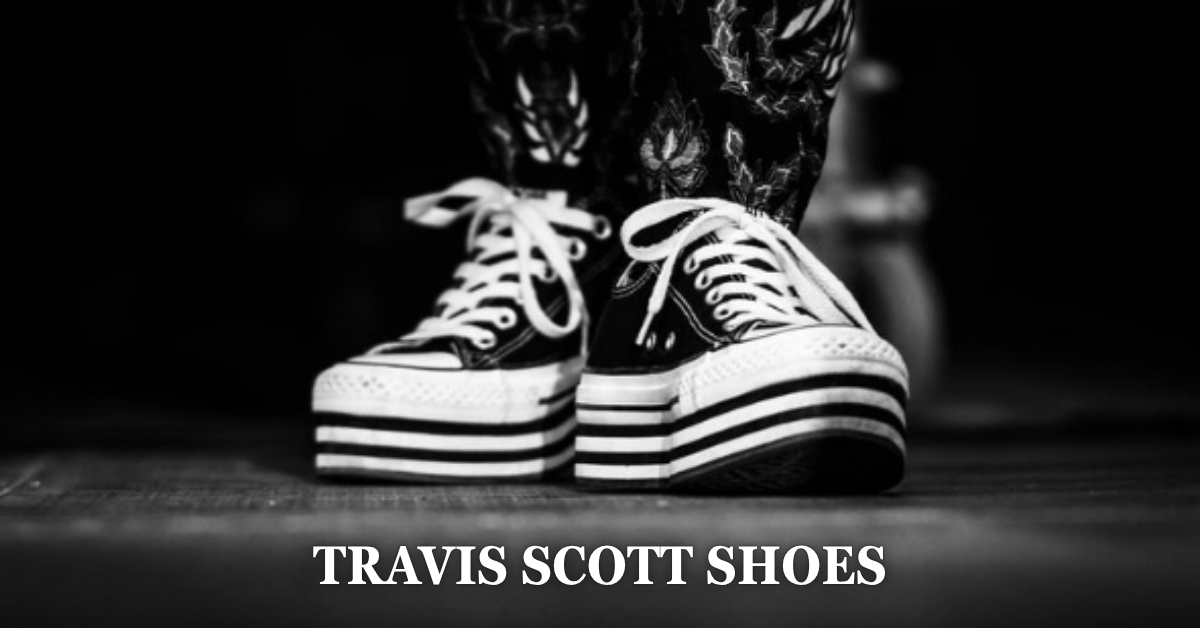
If you follow sneaker culture, you’ve probably noticed that Travis Scott shoes have become much bigger than ordinary celebrity collaborations. His partnership with Nike and Jordan Brand has produced some of the most recognizable sneakers in modern street wear, mixing classic silhouettes with unusual colors, oversized or reversed Swooshes, Cactus Jack branding, and details that make each release feel distinctive. From the Air Jordan 1 Travis Scott to the Jordan Jump man Jack, his footwear catalog now covers lifestyle sneakers, basketball-inspired designs, skate shoes, and even tennis footwear.
The appeal is easy to understand. Travis Scott takes familiar Nike and Jordan designs and gives them a personality that feels rugged, collectible, and unmistakably his own. His collaborations have also continued to evolve, with the official Travis Scott store currently featuring the Nike Zoom Vapor 12 HC Cactus Jack, while recent coverage reports another Travis Scott-designed tennis version being worn by Carlos Alcaraz.
What Makes Travis Scott Shoes So Popular?
The biggest attraction is the way Travis Scott changes familiar sneaker designs without completely losing their original identity. Instead of simply placing a logo on an existing shoe, his collaborations often introduce new materials, color combinations, hidden details, pockets, contrasting Swooshes, and Cactus Jack graphics. That approach makes the shoes recognizable even from a distance.
Scarcity also plays a major role. Many Travis Scott collaborations sell out quickly, leaving buyers looking at resale markets after the original release. That combination of limited availability and strong cultural visibility has helped turn his sneakers into collector pieces rather than ordinary footwear.
There is also a strong connection between the shoes and Scott’s broader aesthetic. His music, Cactus Jack label, Houston background, and love of vintage-inspired street wear all appear in different ways throughout the collaborations. The result is a sneaker collection that feels more like an extension of his creative world than a series of disconnected products.
Best Travis Scott Shoes to Know
Air Jordan 1 Travis Scott
The Air Jordan 1 Travis Scott remains one of the most important releases in the entire collaboration. Its most recognizable feature is the oversized reverse Swoosh placed on the outer side, instantly separating it from a standard Air Jordan 1.
The design also uses earthy tones, layered materials, and Cactus Jack details to create a vintage-inspired appearance. Low-top versions became particularly influential because they combined the familiar Jordan 1 shape with a more relaxed street wear profile.
For someone discovering Travis Scott sneakers for the first time, the Air Jordan 1 is arguably the natural starting point. It established many of the visual ideas that would later become associated with his footwear collaborations.
Air Jordan 4 Travis Scott
The Air Jordan 4 Travis Scott takes a different approach. Rather than relying on the dramatic reverse Swoosh associated with the Jordan 1, the design focuses on color, texture, and Houston-inspired details.
Nike describes the collaboration as a tribute connected to Houston football colors, while Cactus Jack branding separates the shoe from a standard Jordan 4.
The Jordan 4 already has a strong place in sneaker culture, so adding Travis Scott’s design language gives it an especially bold street wear identity. If you prefer chunkier, more structured sneakers, this is one of the collaborations worth knowing.
Air Jordan 6 Travis Scott
The Air Jordan 6 Travis Scott is another standout because it goes beyond a simple color change. The shoe incorporates reflective elements, a glow-in-the-dark outsole, and a small utility pouch around the ankle.
Nike’s official release information describes an olive suede upper, reflective underlay, glow-in-the-dark sole, and Cactus Jack branding.
A later British Khaki version added another zip pocket and additional design details. The result feels almost like a sneaker designed around utility rather than decoration, which fits Scott’s preference for rugged, outdoors-influenced styling.
Nike Air Force 1 Travis Scott
The Nike Air Force 1 Travis Scott helped demonstrate how effectively Scott could transform a simple lifestyle sneaker. The Air Force 1 is already one of Nike’s most recognizable silhouettes, but the collaboration introduced distinctive materials and removable or interchangeable elements depending on the version.
The model became an important early part of the partnership and helped establish the visual language that would appear in later releases. If you like classic low-top sneakers but want something with more character, the Air Force 1 collaboration remains an interesting choice.
Nike SB Dunk Low Travis Scott
The Nike SB Dunk Low Travis Scott is particularly interesting for sneaker fans because it combines Scott’s aesthetic with Nike Skateboarding. Nike SB’s official archive describes a khaki-toned upper, navy canvas overlays, bandana-inspired patterns, mismatched Swoosh colors, plaid detailing, and a tear-away canvas layer revealing camouflage underneath.
That layered construction makes the shoe visually unusual even before considering the Cactus Jack connection. It is a good example of why Travis Scott collaborations attract collectors: there is often something to discover beyond the first glance.
Jordan Jumpman Jack: Travis Scott’s Own Silhouette
One of the biggest developments in Travis Scott’s sneaker history was the arrival of the Jordan Jumpman Jack. Earlier collaborations largely involved Scott reworking existing Nike and Jordan silhouettes. The Jumpman Jack changed that formula by giving him a signature Jordan model of his own.
The shoe has a distinctive strap system, bold proportions, and the familiar reverse-Swoosh influence associated with Scott’s earlier work. Different color ways have expanded the model’s appeal, including Sail/Mocha, University Red, Dark Mocha, and Bright Cactus versions.
That makes the Jumpman Jack especially important for understanding where Travis Scott shoes are heading. Instead of simply remixing established classics, the collaboration has moved toward building a recognizable sneaker identity of its own.
New Travis Scott Shoes in 2026
Travis Scott’s sneaker story is still developing rather than being limited to older collector releases. One of the most interesting current developments is the Nike Zoom Vapor 12 HC Cactus Jack, a tennis-focused design available through the Travis Scott ecosystem. The official Travis Scott store currently lists the model alongside Cactus Court apparel and other Nike tennis products.
The collaboration has also received attention through professional tennis. GQ reported in September 2026 that Carlos Alcaraz debuted a second Travis Scott x Nike Zoom Vapor 12 design, following an earlier version. The performance-oriented shoe includes features such as a heel Air Zoom unit, midfoot plate, stable frame, and herringbone outsole.
This is significant because it shows how the Travis Scott design language is moving beyond traditional lifestyle sneakers. The collaboration is now appearing in performance footwear, creating another category for fans to watch.
How to Buy Travis Scott Shoes
Buying Travis Scott shoes requires more care than purchasing a regular Nike release because availability varies dramatically from model to model. Start by checking official Nike, Jordan, SNKRS, and Travis Scott channels whenever a new release is announced. Nike’s official pages provide release information for several past Travis Scott collaborations, while Scott’s own store currently lists selected Cactus Jack x Nike products.
If the shoe is sold out at retail, resale platforms may be the next option. However, buyers should be careful because high-profile Travis Scott sneakers are frequently copied. Examine seller reputation, product photographs, box labels, SKU information, stitching, materials, and return policies before spending significant money.
A suspiciously low price should also make you pause. Rare sneakers usually command prices that reflect demand, so an offer that looks dramatically cheaper than comparable listings deserves additional scrutiny.
Are Travis Scott Shoes Worth Buying?
Whether they are worth buying depends on what you want from a sneaker. If you are purchasing purely for everyday comfort, a regular Nike running or lifestyle shoe may offer better value. Travis Scott collaborations are usually bought because of their design, cultural relevance, collectability, or personal connection to the artist.
For collectors, the appeal is obvious. Each collaboration represents a particular point in Scott’s creative relationship with Nike or Jordan, and some models have become recognizable references in sneaker culture.
For casual buyers, the decision is simpler: choose the pair you genuinely like rather than buying only because someone says it is valuable. Trends can change quickly, but a sneaker that fits your wardrobe and personal style remains useful long after social-media hype disappears.
Conclusion
Travis Scott shoes have developed from high-profile celebrity collaborations into a recognizable sneaker category of their own. The Air Jordan 1, Air Jordan 4, Air Jordan 6, Air Force 1, SB Dunk, and Jordan Jumpman Jack each show a different side of Scott’s design approach, while newer projects such as the Zoom Vapor 12 suggest that the partnership is expanding into performance footwear.
The most interesting part is that the story is not finished. Scott continues to experiment with silhouettes, colors, materials, and sports categories, giving sneaker fans plenty to watch. Whether you are a collector chasing rare Cactus Jack releases or simply looking for a distinctive pair of sneakers, Travis Scott shoes remain some of the most recognizable collaborations in contemporary footwear.
FAQ
What are the most popular Travis Scott shoes?
The Air Jordan 1 Travis Scott, Air Jordan 4 Travis Scott, Air Jordan 6 Travis Scott, Nike Air Force 1 Travis Scott, and Jordan Jumpman Jack are among the best-known models. The Air Jordan 1 is especially recognizable because of its oversized reverse Swoosh.
Is Travis Scott shoes made by Nike?
Many Travis Scott collaborations are created with Nike and Jordan Brand. His catalog includes Nike Air Force 1, Nike SB Dunk, Nike Air Max, Nike Air Trainer, Jordan models, and the Jordan Jumpman Jack. His newer projects have also expanded into tennis footwear.
Why are Travis Scott sneakers so expensive?
Limited availability, strong demand, collector interest, and resale-market activity can push prices above their original retail prices. However, not every Travis Scott shoe has the same resale value, so buyers should research a specific model and condition rather than assuming every pair is expensive.
Are Travis Scott shoes good for everyday wear?
Many are suitable for casual everyday outfits, but their comfort and performance depend on the specific model. Lifestyle sneakers such as the Air Jordan 1 and Air Force 1 are different from performance-focused designs such as the Zoom Vapor 12 tennis shoe.
How can I avoid fake Travis Scott shoes?
Buy from authorized retailers whenever possible. For resale purchases, carefully check the seller’s reputation, SKU, box, stitching, materials, logos, construction, and authentication policies. Avoid deals that seem unrealistically cheap, especially when the seller cannot provide convincing proof of authenticity.
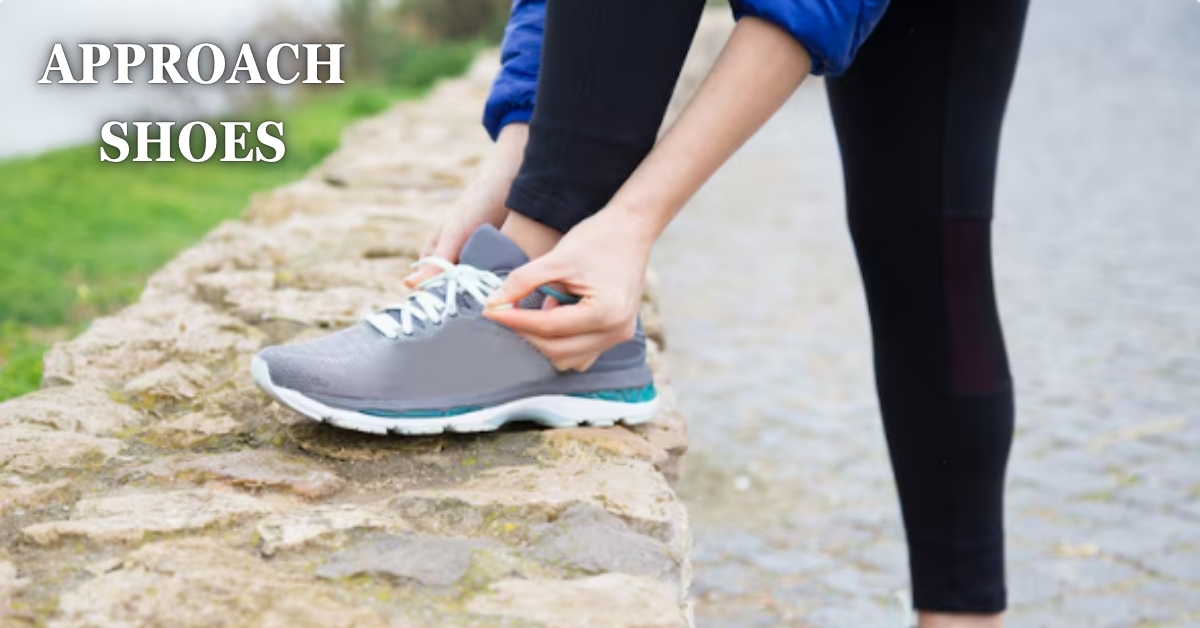
A pair of shoes with a hiking boot’s rugged sole and a sneaker’s low, trim profile tends to raise a simple question the first time someone spots them in a gear shop or on a trail. Those are usually approach shoes, a hybrid built for climbers who need to hike into a route before they ever touch rock. This guide breaks down what actually separates them from hiking boots and hiking shoes, who genuinely needs a pair, and where the marketing oversells them to people who are just going for a weekend walk. Expect real price ranges, sizing notes, and an honest answer for casual hikers stuck on the fence.
The Short Answer
Approach shoes are hybrid climbing-hiking footwear with sticky rubber soles and a low, snug toe built for scrambling over rock between a trailhead and a climb. They suit mixed rock and trail terrain, but a dedicated hiking shoe still wins for long, flat mileage and all day comfort.
What Approach Shoes Actually Are
Approach shoes sit in the gap between a running shoe and a rock climbing shoe, built by the same brands that make climbing gear, Scarpa, La Sportiva, and Salewa among them. The sole uses a sticky rubber compound borrowed straight from climbing shoe technology, softer and grippier than the harder rubber on a typical hiking boot. A rubber rand wraps up around the toe to protect it against rock scrapes, and the lacing usually runs close to the toe box so the shoe can flex and grip on narrow footholds.
Most pairs land somewhere between a low-top sneaker and a mid-height hiking shoe in profile, with little to no ankle support built in. That trade-off is deliberate. Climbers want a shoe light enough to carry, or wear, for hours of hiking before a climb even starts, so bulk gets cut anywhere it isn’t earning its keep. The stiffer midsole underneath that thin sticky rubber is what lets a foot stand confidently on a narrow rock edge without the shoe folding underneath it.
Approach Shoes vs Hiking Boots vs Climbing Shoes
Confusing these three is common, and the marketing on shoe boxes doesn’t always help. Here’s what genuinely separates them:
- Hiking boots: built for long distances and heavy packs, with thick cushioning, ankle support, and a firm but less sticky sole meant for durability over grip.
- Approach shoes: built for the terrain between a trailhead and a climb, with a soft sticky sole, a protective toe rand, and little ankle support.
- Climbing shoes: built purely for technical rock, sized tight against bare skin, with almost no cushioning and a sole meant to be peeled off after each pitch, not walked in.
A hiking boot wins on long, loaded miles. A climbing shoe wins the instant the ground turns vertical. Approach shoes exist for the messy middle, scrambling over boulders, crossing slabs, and covering rocky approach trails where a soft grippy sole matters more than thick cushioning underfoot.
Sizing and Fit Notes the Box Won’t Tell You
Approach shoes generally fit close to a normal street shoe size, sometimes a touch smaller, since a snugger fit gives better precision on narrow footholds. That’s different from hiking boots, which often run a half size up to leave room for thick socks and swelling feet on long days. Anyone buying online for the first time should size down half a step from their usual hiking boot order, not match it directly.
Break-in time sits closer to a stiff pair of sneakers than a leather boot. A few short walks soften the midsole enough for comfort, though the sole itself stays fairly rigid by design, since that rigidity is exactly what gives it edging power on rock.
What a Pair Actually Costs
Entry-level approach shoes start around one hundred and twenty dollars, usually synthetic uppers with a simpler rubber compound. The middle of the market, roughly one hundred sixty to two hundred dollars, is where most climbers land, buying a shoe with a leather or suede upper and a proven sticky rubber sole from a dedicated climbing brand. Premium technical models built for serious alpine approaches can run past two hundred fifty dollars, often with a more precise, low-profile fit closer to a true climbing shoe.
Compare that to hiking boots, which cover a similar range but skew toward the higher end for anything with real waterproofing and support, and it becomes clear approach shoes aren’t cheap alternatives. They’re a specialized purchase, priced closer to a technical hiking boot than to a casual sneaker.
The “They’re Just Fancy Hiking Sneakers” Mistake
The most common misread of this keyword treats approach shoes as a rebranded hiking sneaker with a higher price tag attached for style points. That idea usually comes from seeing them worn casually around town, since the low-top, sneaker-like shape doesn’t look technical at first glance. Nothing about the sole underneath backs that assumption up.
A genuine hiking sneaker uses a harder, more durable rubber meant to survive miles of trail abrasion, while an approach shoe’s sole is deliberately soft enough to grip smooth rock, which means it also wears down faster on pavement and gravel. The correction matters for anyone shopping by looks alone. If the sole doesn’t use a climbing-grade sticky rubber and a toe rand built for rock contact, it’s a lifestyle shoe wearing the aesthetic, not the function, of a true approach shoe.
The Everyday and Travel Use Most Buying Guides Skip
Most coverage of this keyword is written for climbers who already know they need a pair, which leaves out a growing group of casual buyers who see approach shoes worn as everyday footwear and wonder if they should own one too. The honest answer depends entirely on what a typical week looks like. Someone doing weekend day hikes on maintained trails, walking a city, or traveling with one do-it-all pair is usually better served by a trail running shoe or a hiking shoe, both of which cost less, last longer on pavement, and feel noticeably lighter over a full day.
Approach shoes only pull ahead once scrambling, loose rock, or off-trail terrain enters the picture regularly. For a traveler who occasionally hikes to a viewpoint over rocky ground, a pair can still make sense as a single, versatile shoe, but buying one purely for its climbing-brand look is where most casual shoppers overspend for grip they’ll rarely use. The shoes and sandals coverage on the site has more guidance on matching a shoe’s real function to how it actually gets worn, rather than buying for the label.
When Approach Shoes Genuinely Earn Their Price
A few real scenarios separate the buyers who need this shoe from the ones who’d be happier with something simpler:
- Frequent trips to a climbing crag that require hiking over talus, boulders, or exposed rock to reach the base of a route.
- Scrambling on class three or four terrain, where hands occasionally touch rock and footing needs more precision than a standard trail shoe offers.
- Multi-pitch days that involve rappelling or down-climbing back to the trailhead, where a sticky sole reduces slipping on descent.
- Via ferrata routes, where the mix of ladder rungs, cables, and rock ledges rewards a stiff, grippy sole over a soft hiking shoe.
Outside those situations, the extra grip mostly goes unused, and the shorter lifespan on pavement or gravel becomes the only thing a casual owner actually notices. As one broader breakdown of hiking footwear from REI’s guide to hiking boots versus hiking shoes points out, the right footwear choice always comes down to matching the shoe to the terrain someone actually covers most often, not the terrain they occasionally dream about covering.
Weight and Weather Trade-offs Worth Knowing
Weight is one place approach shoes genuinely beat boots, often landing a full pound or more lighter per pair, which matters over a long approach hike carrying climbing gear. Breathability tends to follow the same pattern, since most models use mesh or perforated leather panels that a heavier waterproof boot can’t match on a warm day. That lighter build comes at a cost once weather turns wet.
Few approach shoes offer real waterproofing beyond light water resistance, and the softer sticky rubber that grips dry rock so well tends to lose traction fast on wet stone or mud. Anyone hiking regularly in rain, snowmelt, or river crossings will get more reliable footing and drier feet from a proper hiking boot, even at the cost of the extra weight. The honest trade-off is grip and comfort on dry rock against protection and stability everywhere else.
Conclusion
Approach shoes solve a real, specific problem: getting safely and comfortably from a trailhead to the base of a climb over rocky, uneven ground. They aren’t a stylish swap for a hiking boot or a casual sneaker, and buying a pair for the look alone usually means paying technical prices for grip that never gets used. Match the shoe to the terrain that actually fills most weekends, scrambling and mixed rock earns the sticky sole, everything else is usually better served by a hiking shoe.
FAQ
What are approach shoes used for?
They’re used for hiking over rocky, uneven ground on the way to a climbing route, and for light scrambling once the terrain turns vertical.
Can you wear approach shoes for everyday hiking?
Yes, but a hiking shoe or trail runner usually lasts longer and feels more comfortable on maintained trails without scrambling involved.
Are approach shoes worth it if you don’t climb?
Only if regular hikes involve loose rock, boulders, or off-trail scrambling, otherwise a standard hiking shoe covers the same ground for less money.
Do approach shoes run true to size?
Most fit close to a normal street shoe size, sometimes a half size smaller, rather than sizing up the way hiking boots often do.
Can approach shoes replace hiking boots?
Not for long, loaded miles or wet conditions, since boots offer more support, cushioning, and weather protection that approach shoes trade away for grip.
-

 Premium Handbags & Purses2 weeks ago
Bilge Bag Style: How a Boating Term Becomes a Bag Trend
-
 Premium Handbags & Purses2 weeks ago
Purse Accessories That Do More Than Just Decorate
-

 Beauty & Personal Care2 weeks ago
Kids Makeup Kit: Pretend or Washable, What to Pick
-

 Women's Clothing / Apparel2 weeks ago
How to Wear a Denim Jumpsuit Without Looking Boxy
-

 Women's Clothing / Apparel2 weeks ago
What Fashion Nova Dresses Really Deliver For The Price
-
 Jewelry & Accessories2 weeks ago
The Right Order to Buy Mens Accessories
-

 Shoes & Sandals2 weeks ago
The One Metallic Rule Nobody Tells You About Silver Shoes
-

 Women's Clothing / Apparel2 weeks ago
The Truth Behind Arriton Wholesale Sweatshirts Womens
Pingback: Hair Accessories: Trends, Styles & Buying Guide
Pingback: Travis Scott Shoes: Best Sneakers and What to Know
Pingback: Why Red Bottom Shoes Are Legally Only One Brand