Lifestyle Blog / Style Guides
What Thelifestyleedge Com Covers Before You Trust It


Search results for a specific website name usually lead straight to that website. That is not quite what happens here. Type in this exact phrase and you will land on a stack of near identical review posts long before you reach the actual homepage. Thelifestyleedge com is a general interest lifestyle blog covering everything from productivity and wellness to money habits and everyday style, and it has become one of those sites people search for by name just to figure out what it actually is. This piece walks through what the platform really publishes, why so many “reviews” of it read the same way, and how to judge it for you in a few minutes.
The Short Version
Thelifestyleedge com is a general interest lifestyle website publishing free articles on personal growth, productivity, wellness, money habits, and style. It is not a coaching service or paid program. Most of what ranks about it online is third party commentary, not firsthand accounts, so treat single reviews with some skepticism.
What Thelifestyleedge Com Actually Publishes
The site organizes its content around a handful of recurring pillars rather than one narrow niche. Personal growth articles cover habit building, goal setting, and confidence. Productivity content leans on time blocking, prioritization, and reducing daily distractions rather than complicated systems. Wellness pieces stick to sleep, nutrition basics, movement, and stress management, and a smart living lane covers everyday decisions like organizing a space or cutting digital clutter. A money habits section rounds things out with budgeting and saving content aimed at readers who are not looking for investment strategy.
None of these topics are unusual for a lifestyle publication. What stands out is the breadth under one roof. A reader who came for a productivity article can end up on a wellness piece or a budgeting guide without leaving the site, which is the same crossover pattern that makes multi category blogs sticky in the first place.
How The Content Reads Once You’re On The Page
Formatting matters as much as topic choice for this kind of site. Articles favor short paragraphs, clear subheadings, and bullet lists over dense blocks of text, which keeps a 1500 word guide from feeling like a wall of type. Advice tends to sit on the practical end of the spectrum, built around specific actions rather than vague encouragement to “do better,” and that tone is consistent across the categories rather than varying wildly from post to post.
The tradeoff is depth. Broad lifestyle coverage almost always trades expert level detail for accessibility, and that shows up here in the form of introductory level guidance rather than advanced technical breakdowns. For someone new to a topic, that is a feature. For someone who already knows the basics of budgeting or sleep hygiene, the content will feel familiar rather than revelatory.
Why So Many “Reviews” Of This Site Read The Same Way
Here is the part most searches on this keyword miss entirely. Pull up five or six of the top ranking articles about Thelifestyleedge com and you will notice they share almost the exact same skeleton: a quick overview table, a pros and cons list, a star rating out of five, and a five question FAQ block with nearly identical wording. That is not a coincidence, and it is not evidence that multiple independent reviewers reached the same conclusion.
It is a sign that most of what ranks for this term is template commentary written about the site rather than by anyone who spent real time using it. Star ratings appear with no stated methodology behind them, claims about “practical advice” get repeated without a single specific example quoted from an actual article, and the same phrases about beginner friendly writing show up across sites that otherwise have nothing to do with each other. None of that automatically makes the underlying opinion wrong. It does mean a stack of five similar sounding reviews should carry roughly the same weight as one review, not five.
The honest fix is to treat those pages as a starting point rather than a verdict, then spend a few minutes on the actual site before deciding anything.
What To Actually Check Before You Rely On A Lifestyle Site
A handful of concrete checks tell you more in two minutes than another review ever will.
- Look for named authors or an editorial team on individual articles, not just a generic “staff” byline
- Check whether specific claims link out to a real source, a study, or an expert, rather than sitting unsupported
- Scan the about page for who runs the site and why, since a vague or missing about page is a weaker signal than a clear one
- Notice how current the content is, since a lifestyle site that has not published in months is a different proposition than one updating weekly
- Read one full article in the topic you actually care about instead of judging the whole site off the homepage alone
Running through that list on any general lifestyle site, this one included, takes less time than reading a single 2000 word review about it. A more structured version of this same approach, built around currency, authority, and purpose, is laid out in this library guide to evaluating website credibility, and it applies just as well to a lifestyle blog as it does to an academic source.
Where A Site Like This Fits Next To Other Lifestyle Reading
Multi topic lifestyle sites serve a specific purpose that narrower blogs do not. They work well as a first stop when you are not sure exactly what you are looking for, since a productivity habit and a wellness routine and a spending habit often connect anyway. They work less well as your only source once you have a specific question, whether that is a style decision, a home project, or a wellness routine that needs more depth than an introductory guide can offer.
That is where narrower, category specific reading tends to fill the gap. Readers building out a wardrobe or comparing specific product categories generally get more out of guides written around that exact question, and the fashion and lifestyle picks on the Just Uniques homepage cover that kind of ground in more depth than a general interest site typically goes.
Conclusion
Thelifestyleedge com is exactly what it presents itself as, a free, broad lifestyle blog covering personal growth, productivity, wellness, and money habits at an introductory level. The bigger issue is not the site itself but the pile of near identical reviews written about it, which are worth far less collectively than they appear individually. Spend two minutes checking authorship, sourcing, and freshness yourself, and you will know more than another roundup review could tell you.
FAQ
What is Thelifestyleedge com?
It is a general interest lifestyle website publishing free articles on personal growth, productivity, wellness, smart living, and money habits.
Is Thelifestyleedge com free to read?
Yes, based on publicly available information the articles are free to access without a subscription or membership.
Is Thelifestyleedge com legit or safe to browse?
It functions as a standard informational blog rather than a coaching service or paid program, though readers should still verify any specific health or financial claims elsewhere.
Who is Thelifestyleedge com actually for?
It suits readers who want introductory, practical guidance across several lifestyle topics at once rather than deep expertise in one narrow area.
Should you trust the reviews written about Thelifestyleedge com?
Treat them as a starting point rather than a verdict, since most share the same template and star rating format without a stated methodology behind the score.

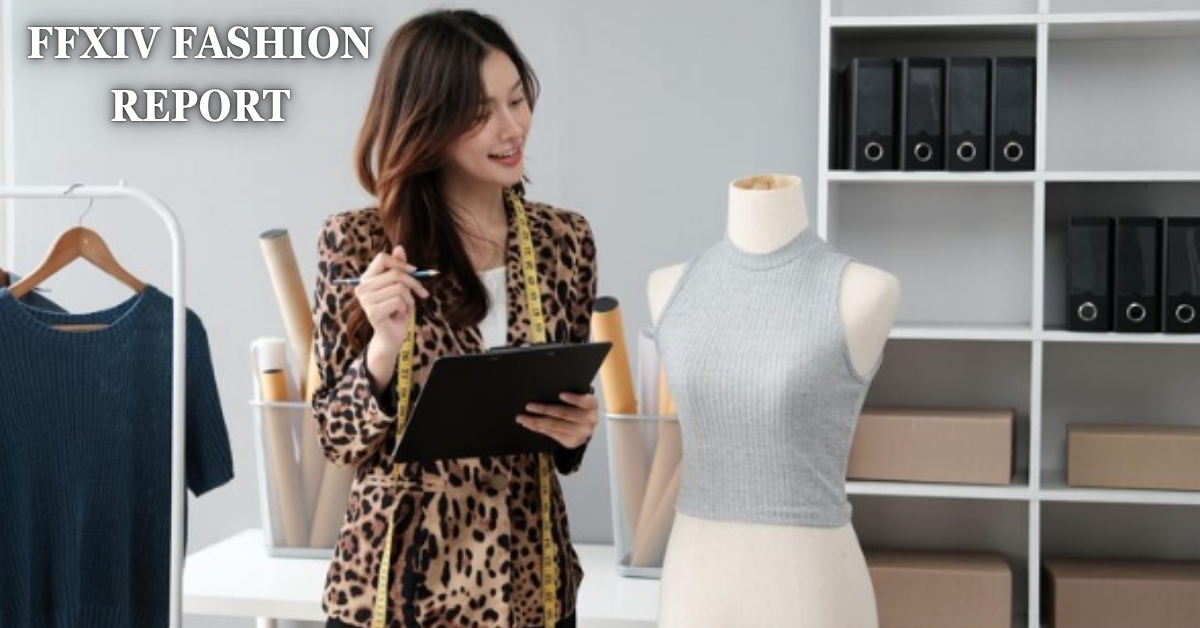
The FFXIV fashion report is a weekly contest inside Final Fantasy XIV where a Gold Saucer judge scores your character’s outfit against a set theme. It has nothing to do with retail clothing on the surface, and this piece isn’t a walkthrough for the in-game event. What it does share with real dressing is more useful than it sounds. The judging system behind that contest rewards a specific kind of thinking, matching an outfit to a stated context rather than just picking pieces you like. That same discipline is exactly what separates outfits that photograph well from ones that actually work when you leave the house.
Straight to the Point
Final Fantasy XIV’s fashion report scores players on how closely their gear matches a weekly theme across specific slots, not on general good looks. The real lesson for an actual closet is the same one: dressing well means matching pieces to context and completing the whole look, not leaning on one strong item alone.
What the FFXIV Fashion Report Actually Is
Inside the game, Masked Rose at the Gold Saucer hands out a new theme every Tuesday, and players present their outfit for judging starting Friday. Scoring runs from zero to one hundred, and simply filling all eleven gear slots gives a baseline of 68 points before any theme matching happens at all. Bonus points come from hitting the four slots that carry a named theme that week, with head, body, hand, leg, and foot pieces worth more than accessories. A score of 80 or higher unlocks a solid MGP bonus, and building toward it takes real attention to what the theme is actually asking for, not just an outfit that looks nice in a vacuum.
That structure matters more than it seems on first read. The game isn’t rewarding style in the abstract. It’s rewarding a specific match between context and execution, judged slot by slot, with an obvious penalty for skipping any part of the assignment.
Why a Gold Saucer Contest Has Anything to Do With Real Clothes
Strip away the game skin and the FFXIV fashion report is basically a structured briefing exercise. You get a prompt, you interpret what it’s actually asking, and you get judged on how completely you executed it, not on whether the outfit is independently attractive. Real dressing works on the same principle more often than people admit. A wedding, a client meeting, and a weekend hike are each their own theme, and an outfit that would score well at one scores badly at another regardless of how good the individual pieces are.
Most style advice skips this part and jumps straight to what to buy. The Lifestyle Blog / Style Guides section on this site leans the other way on purpose, treating outfit logic as something worth explaining before the shopping list starts. That’s the same gap this comparison is trying to close, because knowing the rules of the match matters more than owning more pieces.
The Assumption That Actually Trips People Up Here
A common assumption is that FFXIV fashion report scoring rewards the best looking outfit in the room, the one a stranger would compliment first. That’s not how it works. The judge scores against the literal theme word for that week’s slots, and an objectively striking outfit that ignores the theme scores lower than a plainer one that nails it. Aesthetic quality and theme accuracy are two separate axes, and only one of them earns points.
The real world version of this mistake shows up constantly. Someone shows up to a semi formal dinner in a genuinely well cut outfit that reads as clubwear instead, or wears great separates to an interview that don’t match the room’s actual dress code. The clothes aren’t the problem. The read on context is. Fixing that gap takes noticing what a specific situation is actually asking for before deciding what looks good, the same discipline the in-game judge is quietly enforcing every week.
Applying the Judging Logic to an Actual Wardrobe
Translating this into real closet decisions comes down to a handful of habits that map surprisingly well onto how the contest scores.
- Read the actual brief first. Before picking pieces, name the real occasion in plain terms, business casual client lunch, outdoor evening event, casual weekend brunch, the way you’d read a weekly theme before dressing your character.
- Fill every slot, not just the obvious ones. An outfit with a great jacket and forgettable shoes reads as unfinished the same way a Fashion Report entry with nine themed slots and two bare ones underperforms. Shoes, bag, and jewelry are part of the score, not an afterthought.
- Let one or two pieces carry the theme hardest. The game rewards matching specific named slots rather than spreading effort evenly and hoping it averages out. A tailored blazer or a well chosen accessory can do more theme work than five mediocre pieces combined.
- Don’t confuse personal taste with the assignment. A look you love that ignores the actual dress code is the real world version of a gorgeous outfit that misses the weekly theme entirely, technically fine, contextually off.
Where the Comparison Actually Breaks Down
None of this holds up as a perfect metaphor, and it’s worth being honest about that. The FFXIV fashion report has one judge and one fixed answer key each week, while real dressing gets read by dozens of different people with different expectations at once. There’s also no equivalent in daily life to bound, untradeable gear, since a real outfit gets worn again and reused across contexts, which is actually the bigger practical advantage a real closet has over a game character’s inventory.
The other gap is stakes. A missed Fashion Report attempt costs a chance at MGP and a title. A misread dress code at an actual job interview or a client dinner carries real consequences, which is exactly why the underlying skill, reading context before reaching for clothes, is worth taking more seriously outside the game than most people do.
Common Mistakes When People Try to Apply This Logic
A few patterns show up repeatedly when this crossover gets applied badly. Treating every outfit decision like a strict checklist kills the personality that actually makes an outfit memorable, since the game rewards precision but real style still needs a point of view layered on top. Over correcting into pure literalism, wearing something painfully on the nose for an event instead of something that reads the room with more nuance, tends to look try hard rather than sharp. And ignoring fit and construction while obsessing over theme matching produces an outfit that technically checks every box and still looks off, the same way gear that matches a Fashion Report theme but clashes in color or silhouette rarely scores as high as a more considered combination.
Readers who enjoy this kind of internet culture crossover into actual style advice might also want the site’s piece on Chudjak fashion and the meme behind the style, which covers a similar translation from online subculture into wearable pieces.
Conclusion
The FFXIV fashion report is a game mechanic first, but the judging logic underneath it, matching a specific context instead of chasing generic good looks, holds up outside Eorzea too. The single most useful habit to borrow is reading the actual occasion before reaching for clothes, the same way a player reads the week’s theme before Friday. Try naming the real brief for your next event before you open the closet, then build the outfit around that instead of around what you simply like best.
FAQ
What is the FFXIV Fashion Report?
It’s a weekly Gold Saucer activity where players dress to a set theme and get judged by an NPC called Masked Rose, earning Gold Saucer currency based on the score.
How is Fashion Report scored in FFXIV?
Wearing gear in all eleven equipment slots gives a baseline score of 68, with bonus points added for pieces that match that week’s four named theme slots.
What is a good score for Fashion Report?
A score of 80 or higher is generally considered strong, since it unlocks the maximum weekly MGP bonus on top of the base participation reward.
How often does the FFXIV fashion report theme change?
The theme updates every Tuesday after server reset, and judging for that theme runs from Friday through the following Tuesday.
What do you get for participating in FFXIV fashion report?
Players earn a minimum of 10,000 MGP just for participating, plus an additional 50,000 MGP bonus for scoring 80 or above that week.
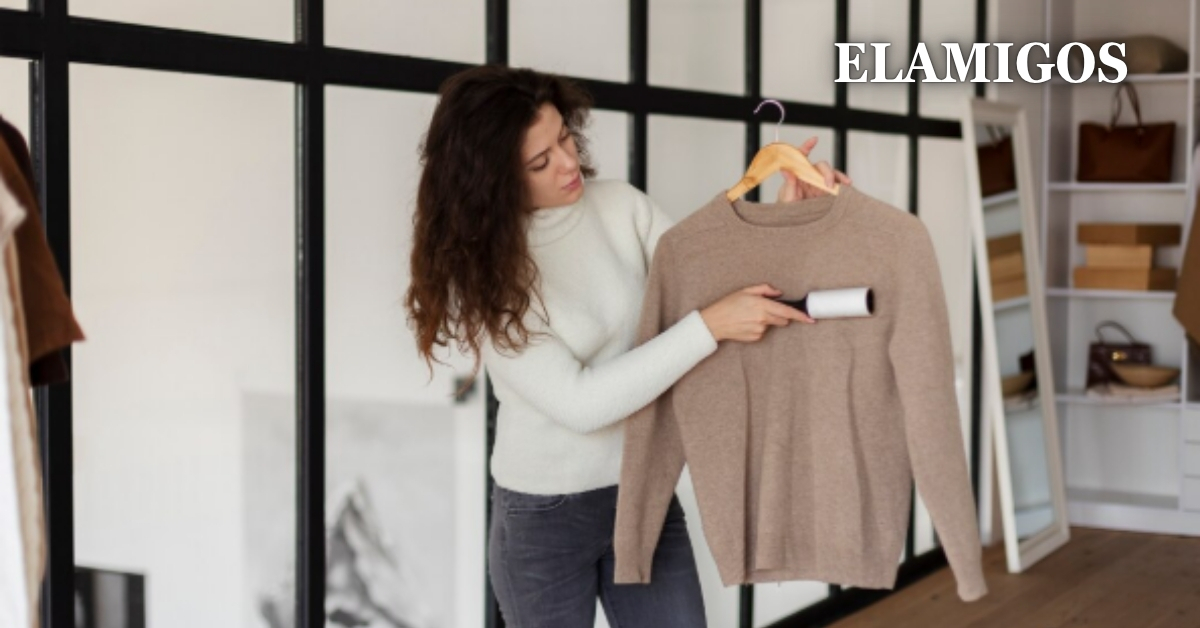
Building a wardrobe that looks put together without demanding much thought each morning is harder than most style advice admits. The elamigos approach answers that problem with relaxed silhouettes, a tight neutral palette, and layering that actually functions in daily wear rather than just photographing well. Instead of chasing trend cycles, this method leans on well-made basics, considered proportions, and accessories that earn their spot. Once you understand how these pieces interact, building a closet that feels deliberate but never fussy becomes a lot more straightforward. Here’s how the core ideas translate into outfits you can repeat all week.
Quick Take
The elamigos style approach centers on elevated casual dressing built from versatile basics, contrasted proportions, and understated accessories. Pair relaxed trousers or heavyweight denim with structured outerwear and clean footwear, and you get comfortable outfits that hold up across seasons instead of aging out after one.
What Actually Makes Elamigos Style Work
The appeal here comes down to restraint paired with real construction quality. There’s no reliance on loud branding, busy prints, or exaggerated cuts. Instead the look is built on clean tailoring and fabrics with enough weight to hold their shape. Cotton poplin shirts, heavyweight knit tees, and relaxed trousers form the core of the closet, and choosing them in coordinating tones like stone, navy, olive, and off-white makes mixing and matching close to automatic.
Construction matters more than most people assume when a wardrobe is this pared back. Double-stitched hems, structured collars, and mid to heavyweight fabrics keep simple pieces from looking cheap by midafternoon. Skimping here is usually what turns a minimal outfit into one that just looks unfinished. For readers piecing together their own rotation of foundation pieces, our guide to keeping a denim jumpsuit from reading boxy covers the same proportion logic applied to a single, more structured garment.
Contrast between tailored and relaxed elements is where the style earns its polish. A sharp, structured coat over a soft knit sweater builds visual depth through texture rather than color. Tailored trousers with clean, simple footwear strike a similar balance, one that works equally well for informal office days and weekend errands.
Building the Wardrobe Around a Few Real Pieces
Assembling a closet on these principles starts with staples that pull double or triple duty across the week. Each piece should hold up to repeat wear without needing constant replacement.
- Relaxed tailored trousers: pleated or straight-leg pants in wool blends or heavy cotton give comfort without losing shape.
- Structured outerwear: an oversized trench, a tailored wool overcoat, or a boxy utility jacket adds architecture to plain layers underneath.
- Mid-weight knitwear: Merino wool or breathable cotton crewnecks work alone or as a subtle layer beneath a coat.
- Minimalist footwear: low-profile leather sneakers, simple loafers, or clean ankle boots tie the relaxed and tailored pieces together.
- Functional accessories: a leather belt, a structured tote, and simple eyewear add polish without turning into clutter.
Footwear choices matter more than people expect in a closet this stripped down, since there’s nowhere for a low-quality pair to hide. The same logic applies to bags and everyday extras. Our piece on picking purse accessories that actually add function is a useful next stop if you’re deciding which extras are worth the money and which ones just add bulk.
Layering and Color Without Losing Interest
Good layering isn’t about piling on more clothing, it’s about combining different fabric weights so nothing reads as bulky. Getting this right is what separates a considered outfit from one that just looks like several items thrown on together.
Working With Proportion
Balance here comes from playing contrasting volumes against each other. Wide-leg trousers pair better with a fitted or tucked-in top, since that combination defines the waist instead of erasing it. An oversized jacket, on the other hand, calls for a slimmer trouser underneath to keep the silhouette from collapsing into shapelessness. Hem length matters too. A jacket that hits mid-thigh tends to elongate the leg line when it’s paired with something cropped or full length below it.
Working a Tonal Palette
Dressing in shades of one color family is a defining move in this aesthetic, and it’s easy to get flat if you’re not paying attention to texture. Beige trousers, an oatmeal knit, and a camel coat read as expensive together mostly because of how the fabrics differ, not because the colors match exactly. Mixing crisp cotton, soft suede, smooth leather, and ribbed wool within one tonal outfit keeps it from reading as one flat block of color.
Why Neutral Doesn’t Mean Boring
A common assumption about this kind of minimalist dressing is that skipping bold colors and prints automatically means skipping personal style too. People often treat a neutral palette as a limitation rather than a starting point, as if visual interest can only come from pattern or color saturation.
In practice, stripping out the noise just shifts attention somewhere else. Fit, drape, and how light hits different fabric weaves start doing the work that pattern usually handles. Simple outfits, done with real attention to construction and texture, often read as more considered than busy, trend-chasing ones. A neutral base also lets a single accessory, a structured crossbody, a good watch, vintage eyewear, actually get noticed instead of competing against a pattern for attention.
Keeping the Pieces Looking Right Over Time
None of this holds up if the clothes fall apart after a season, so care habits matter as much as the shopping choices. Fortunately the routine is simple once it’s set.
Wash cotton and linen in cold water with a mild liquid detergent to protect the fibers and avoid shrinkage. Fine wool knits and silk blends do better with gentle hand washing or a trip to the dry cleaner rather than a regular machine cycle. The capsule wardrobe concept that this style borrows from traces back to a 1970s London boutique owner who built her whole pitch around buying fewer, better pieces and taking care of them properly, which is still the practical core of it decades later.
Storage habits carry just as much weight as washing. Knitwear should be folded on a shelf rather than hung, since hanging stretches the shoulders and warps the collar. Outerwear, blazers, and structured trousers do better on wide, contoured wooden hangers that support the shoulder line and keep the drape natural between wears.
Conclusion
Getting an elamigos-style closet right isn’t about owning more, it’s about owning the right handful of pieces and pairing them with intention. Start by pulling out what you already own in stone, navy, olive, and off-white, then note what’s actually missing, probably one structured coat or a better pair of trousers. Add pieces slowly, in quality fabrics, and the rest of the wardrobe gets easier to style on its own.
FAQ
What defines the core color palette for this style aesthetic?
The palette centers on versatile neutrals, mainly stone, beige, cream, navy, olive, charcoal, and off-white.
How do I make neutral outfits look dynamic without bright colors?
Mix fabric textures, like ribbed wool, smooth leather, crisp cotton, and soft suede, within the same tonal outfit instead of relying on flat, matching materials.
Can relaxed tailoring work for a formal office environment?
Yes, Pleated trousers with a crisp tucked-in shirt and polished leather loafers reads as professional without feeling stiff.
What’s the most versatile outerwear piece for this aesthetic?
A tailored wool overcoat or a classic mid-length trench in a neutral shade works across the widest range of seasons and occasions.
How should I care for mid-weight wool knitwear to prevent stretching?
Fold it flat in a drawer or on a shelf instead of hanging it, since hanging pulls the shoulders and collar out of shape over time.
-

 Premium Handbags & Purses2 weeks ago
Bilge Bag Style: How a Boating Term Becomes a Bag Trend
-
 Premium Handbags & Purses2 weeks ago
Purse Accessories That Do More Than Just Decorate
-
 Jewelry & Accessories2 weeks ago
The Right Order to Buy Mens Accessories
-

 Beauty & Personal Care2 weeks ago
Kids Makeup Kit: Pretend or Washable, What to Pick
-

 Women's Clothing / Apparel2 weeks ago
How to Wear a Denim Jumpsuit Without Looking Boxy
-

 Women's Clothing / Apparel2 weeks ago
What Fashion Nova Dresses Really Deliver For The Price
-

 Shoes & Sandals2 weeks ago
The One Metallic Rule Nobody Tells You About Silver Shoes
-

 Women's Clothing / Apparel2 weeks ago
The Truth Behind Arriton Wholesale Sweatshirts Womens